Canine Communication & Dog Body Language – Learn How Dogs Communicate
Dogs don’t use words—they communicate through body language, facial expressions, movement, and sound. Learning to read these signals helps you understand your dog’s emotions, prevent behaviour problems, and build a calmer, more trusting relationship.

Why Canine Communication Matters
- Helps you interpret and understand a dog's emotional state.
- Allows you to recognise stress before it escalates, and respond in a way that makes them feel safe.
- Reading your dog’s stress signals on walks prevents leash pulling and enables you to communicate with your dog using your leash. Loose Leash Walking Tips → Leash Communication
- When we learn to communicate with our dogs, we can respond with calm clarity, and our dogs are more confident, less reactive and easier to train.
How to read a dog's body language
Dogs speak with their whole body. Posture, tail position, ears, eyes, and movement work together to show how your dog feels in the moment.
Some Key cues to watch and what they might mean:
Loose body + soft eyes = relaxed and comfortable
Stiff body + hard stare = arousal, unsure, anxious or stressed.
Crouching or turning away = fear, disapproval or unhappiness
Play bows + loose body = friendly intent
Quick tip: Always read the whole picture, not one signal in isolation.
Loose body + soft eyes = relaxed and comfortable
Stiff body + hard stare = arousal, unsure, anxious or stressed.
Crouching or turning away = fear, disapproval or unhappiness
Play bows + loose body = friendly intent
Quick tip: Always read the whole picture, not one signal in isolation.
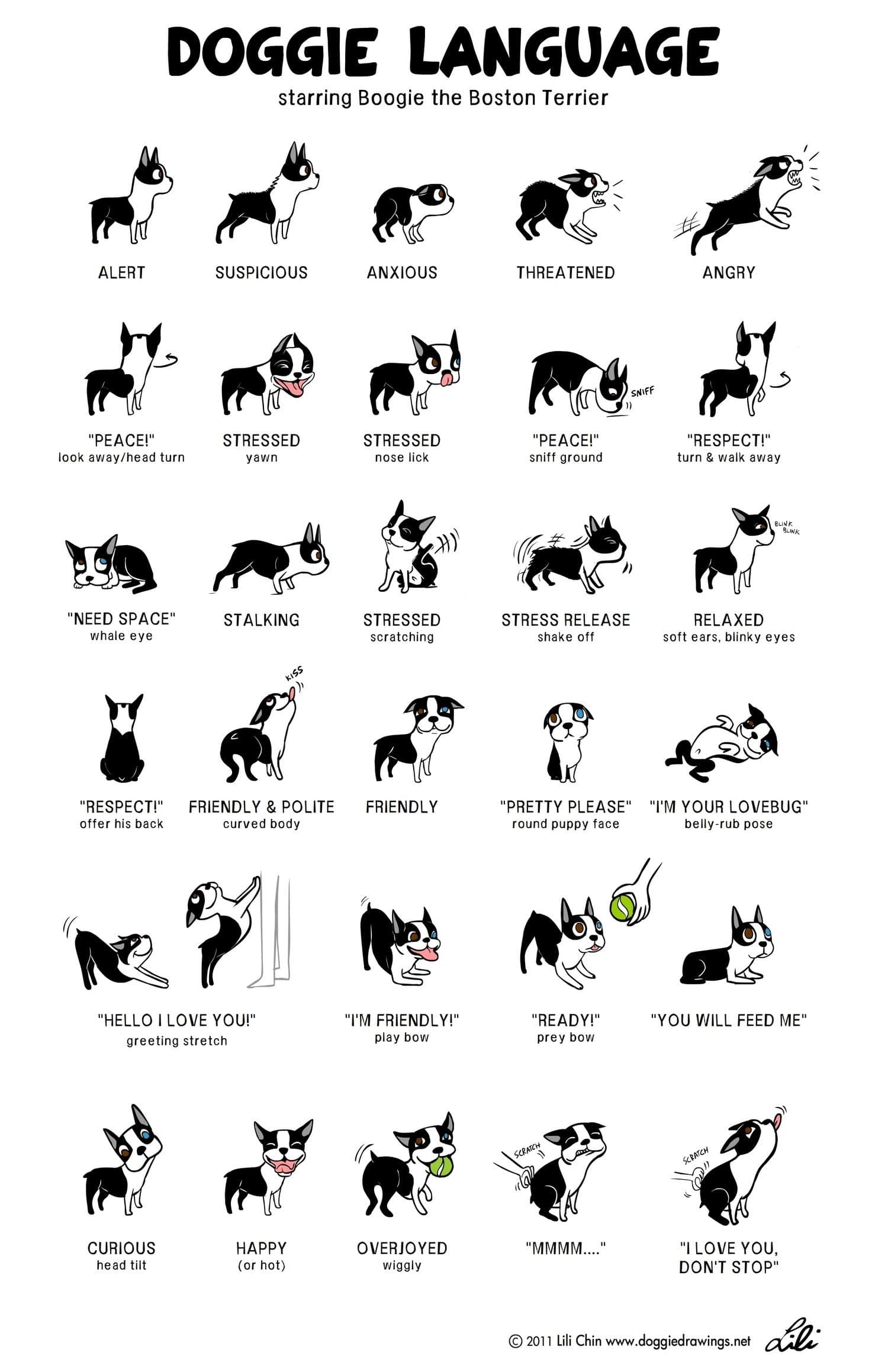
For More visit Doggie Drawings Or check out the small but mighty book Doggie Language: A Dog Lover's Guide To Understanding Your Best Friend.
Videos on Canine Body language
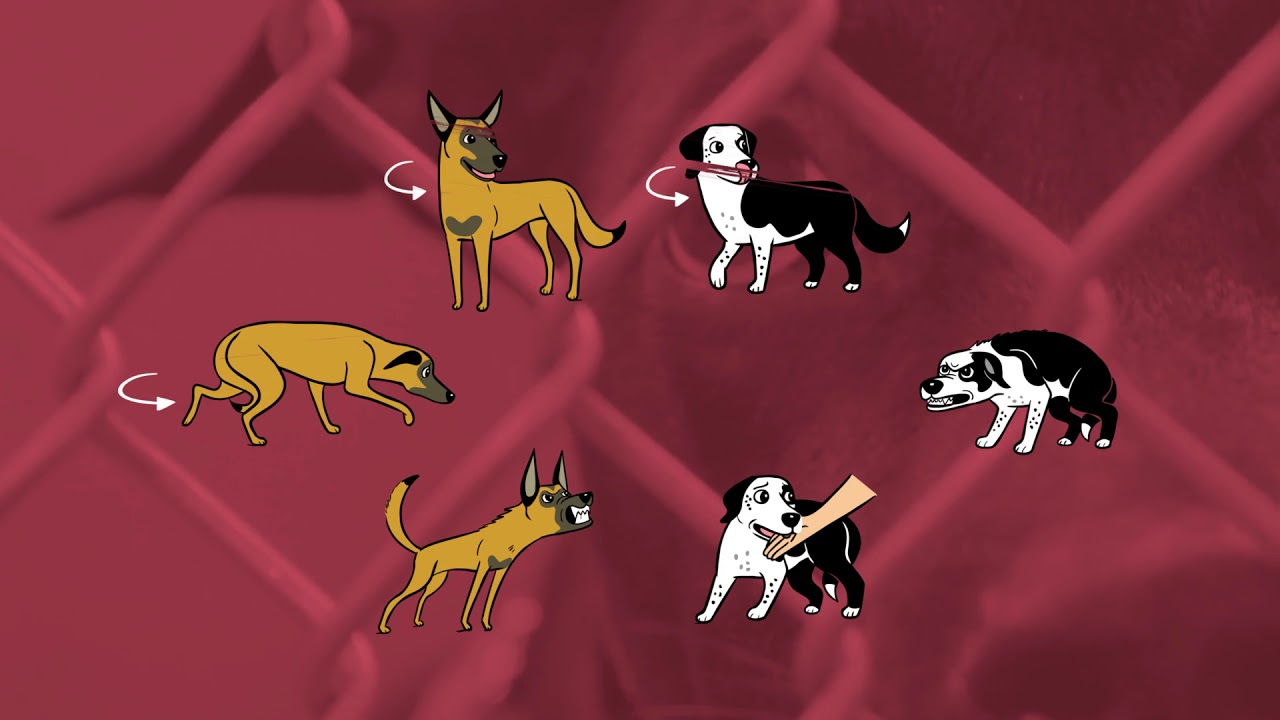


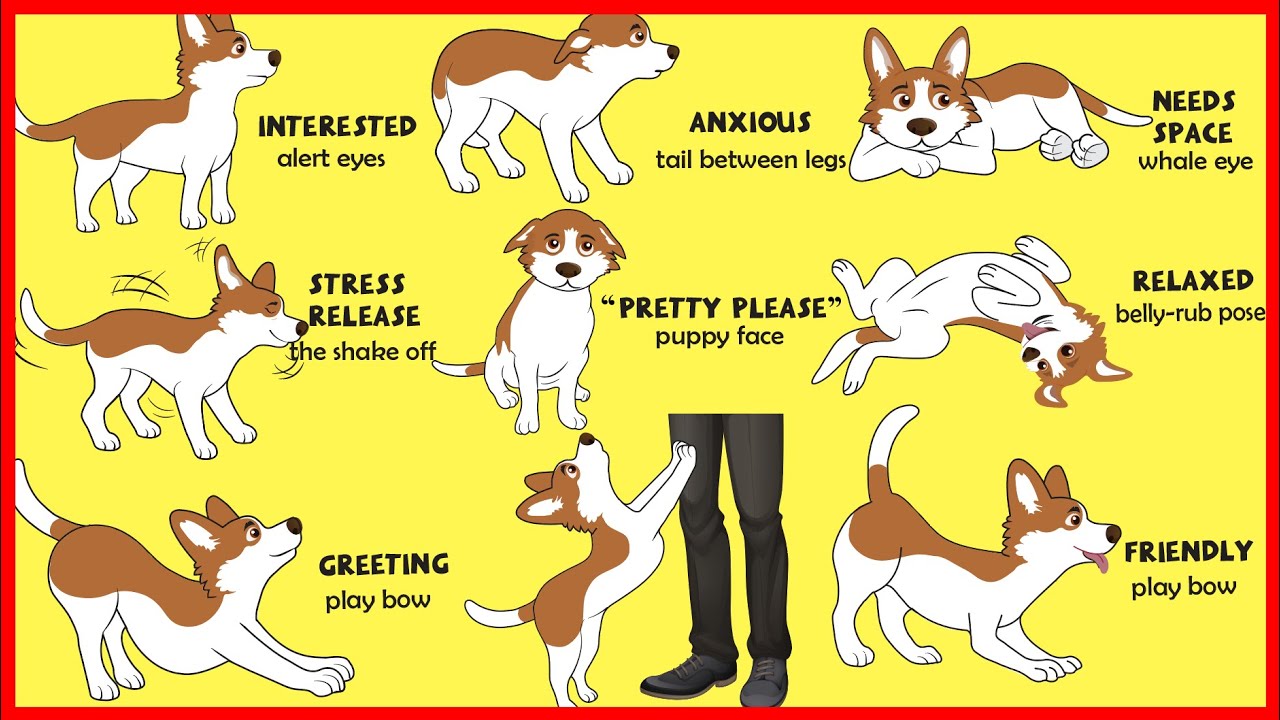
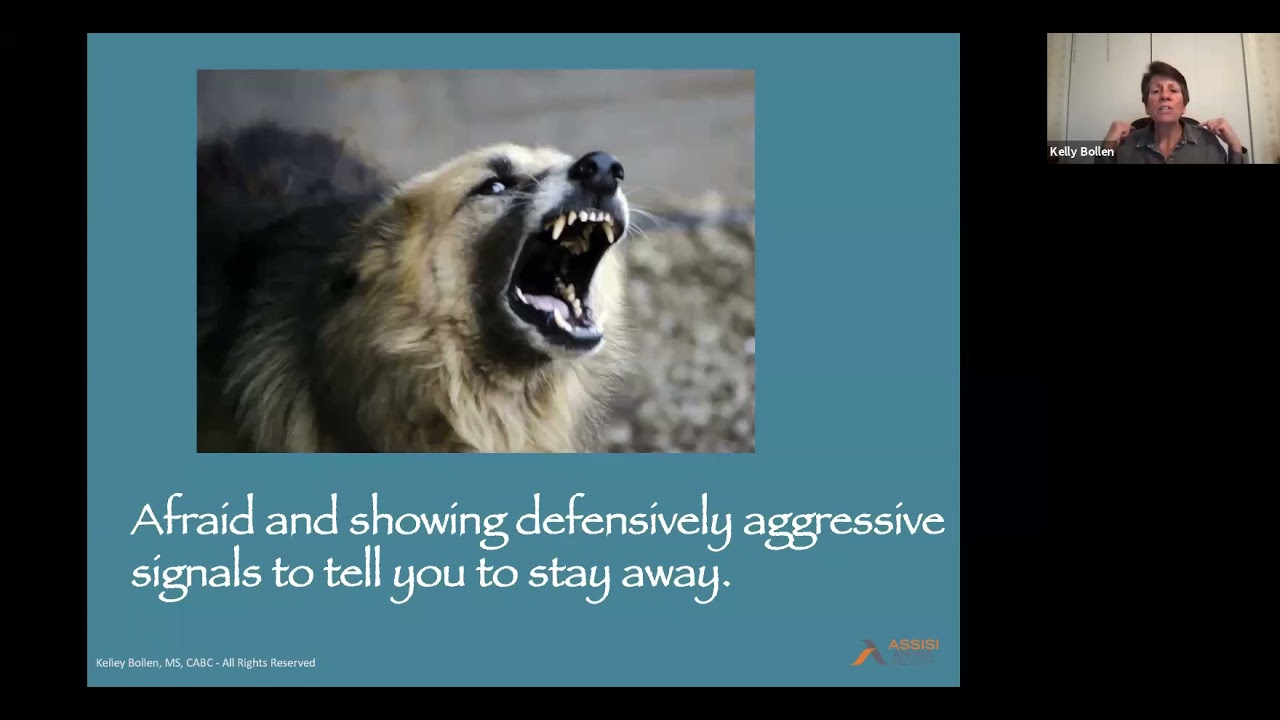


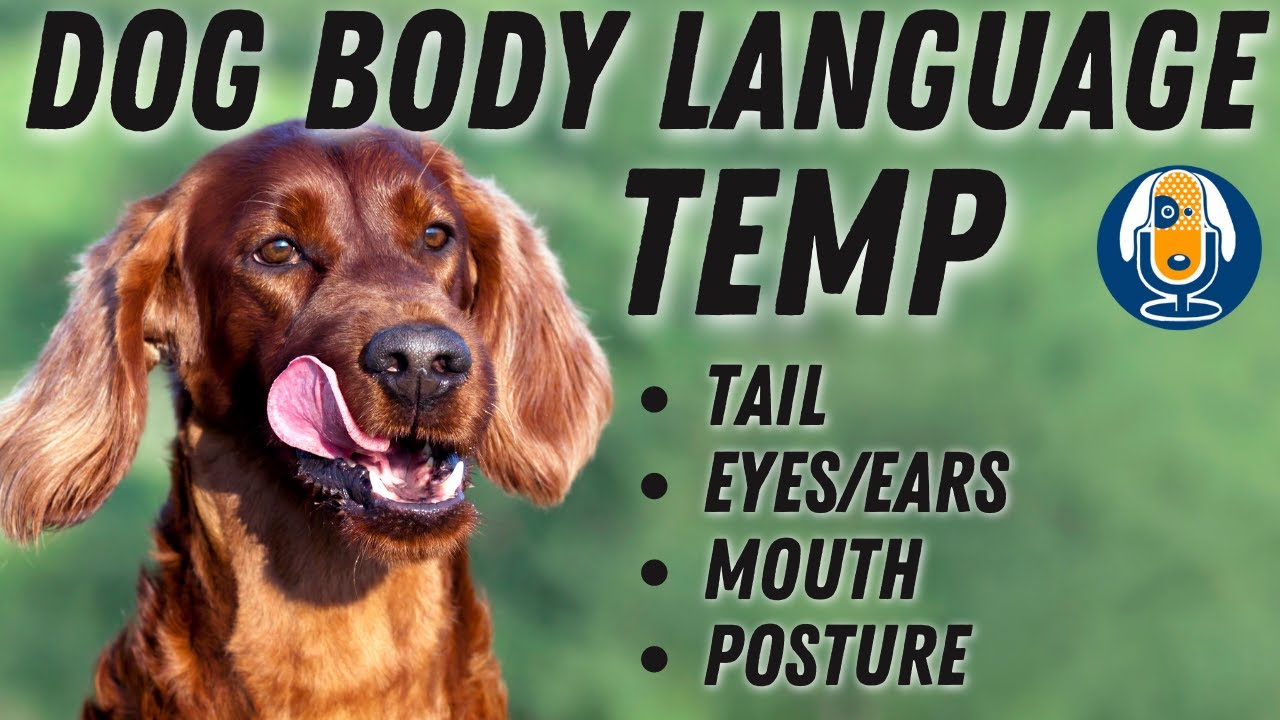

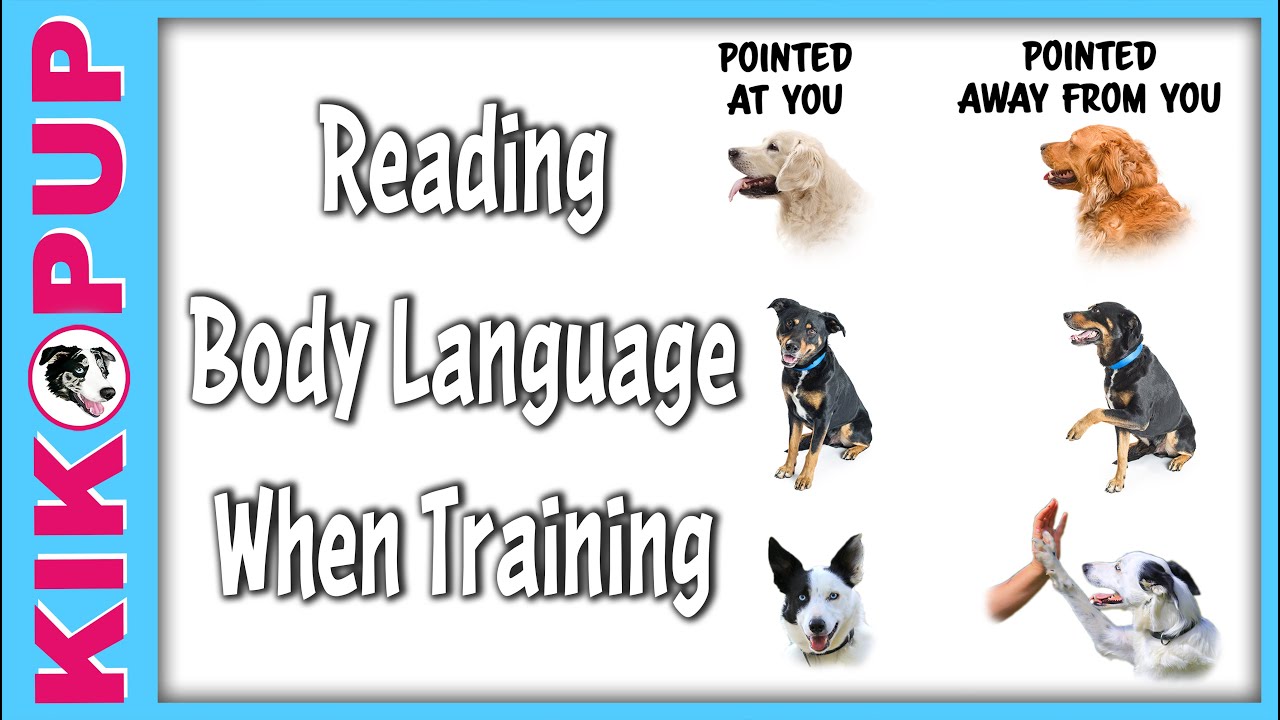
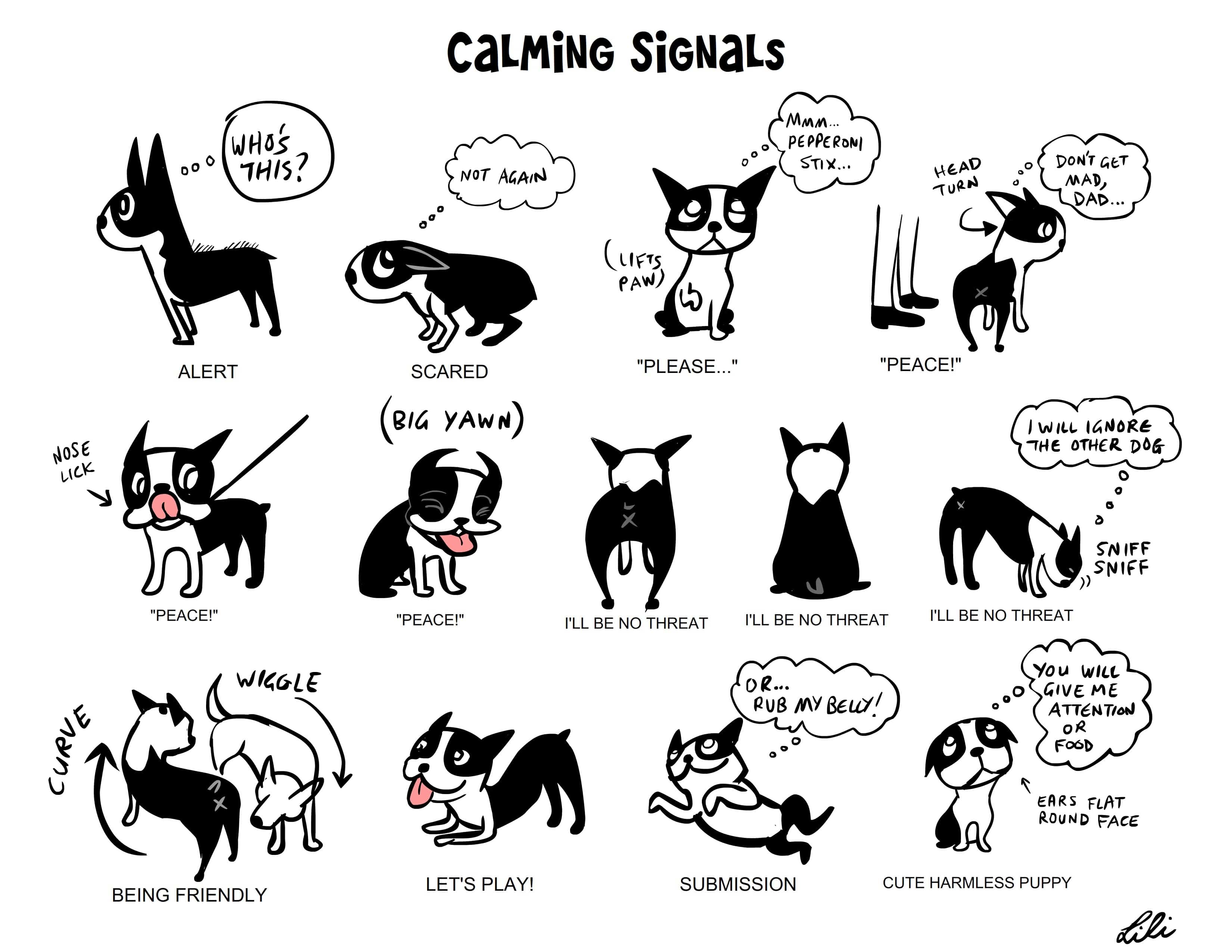
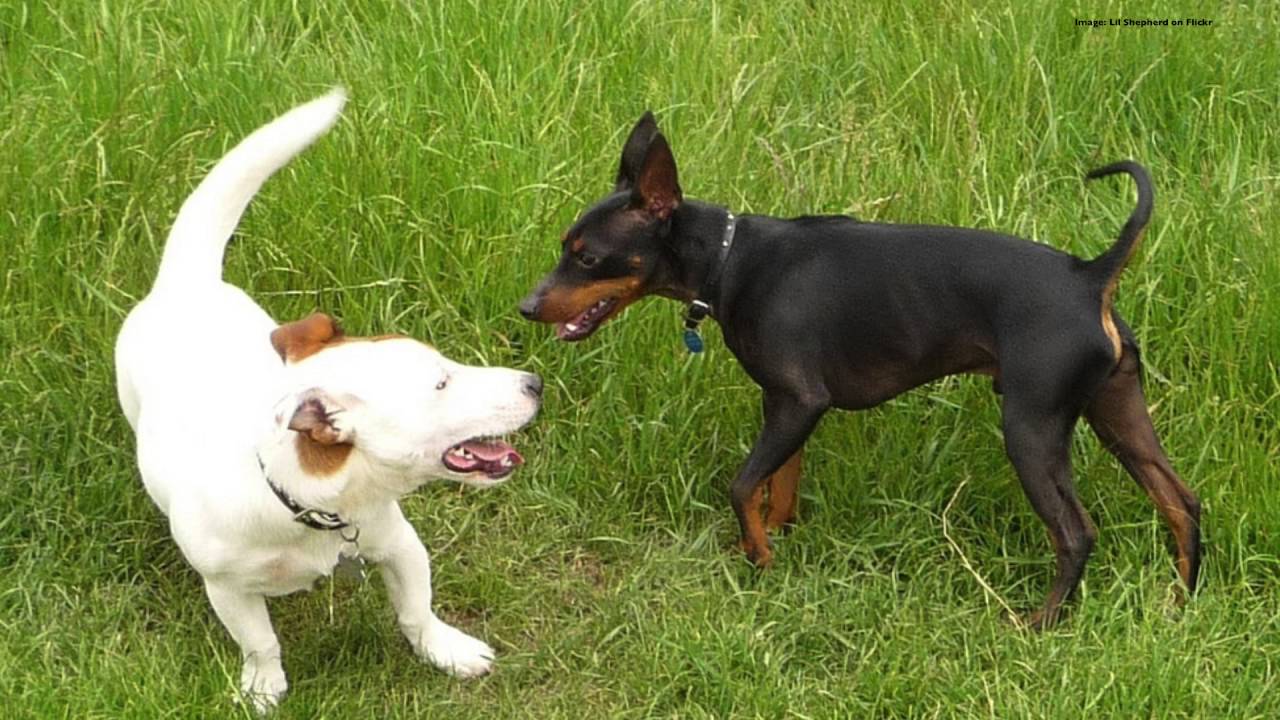
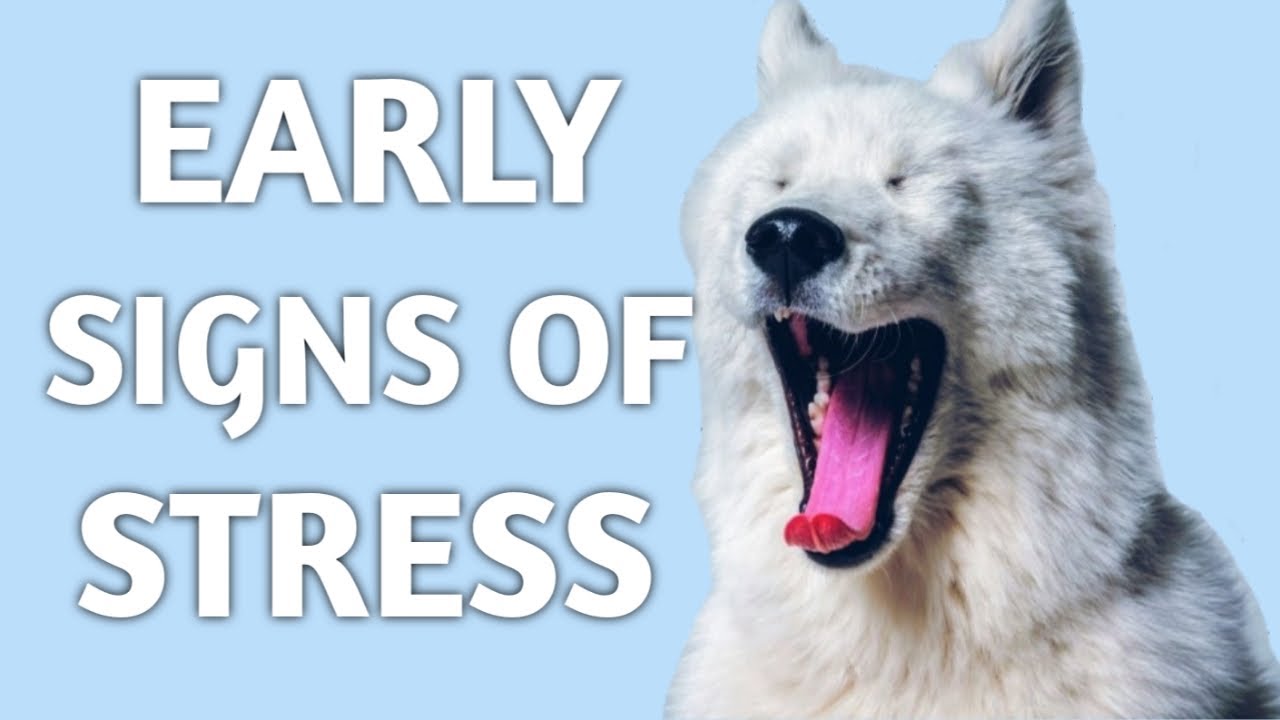
The term "calming signals" was coined by Norwegian dog trainer, canine ethologist, and best-selling author Turid Rugaas.
Calling it a language is an oversimplification; instead, as Truid explains, it is "an art of survival" and a skill to avoid conflict.
Dogs who master these signals can easily navigate complex situations with other dogs of different personalities. They can defuse stressful encounters and win over even the most reactive dogs.
Click on the link in the title to learn more. I also highly recommend the book On Talking Terms with Dogs.
💡 Trainer Tip: If your dog is showing calming signals, they’re asking for space, or patience —not being “guilty, naughty stuborn, disobedient or rude.”
- Listen early to avoid bigger reactions later.
- Acknowledge and even reinforce calming signals to ensure your dog continues to try to de-escalate stressful or unpleasant situations.
- Use your own calming signals to tell your dog how you feel in their language or to get them to follow your lead.
- Teach your dog to use calming signals rather than overexcitement, fear, or aggression when interacting with other dogs.
✅ Quick Win: Reward calm behaviour when nothing is happening. You’ll get more calm behaviour when it matters.
Videos on Calming Signals:



Tail Signals
⚠️ Common MistakeAssuming a wagging tail always means “happy.” Tail height, stiffness, position, direction and the rest of the body tell the real story.
“Before we learn to speak “tail,” we must understand the neutral or natural position of our dog’s tail as this varies by breed. Most dogs have tails that hang down near their heels when relaxed. But some dogs, like Beagles, hold their tails more vertically. Others, like Greyhounds and Whippets, curl their tails under their bellies. Still others, like Pugs and Boston Terriers, have tails that coil tightly against the body and don’t wag at all.
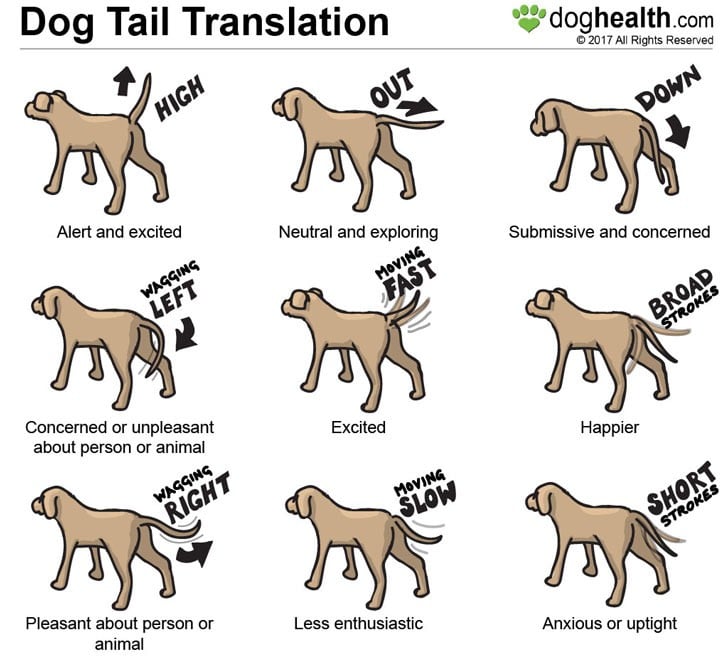
Tail position may indicate
- Preparedness or agitation. When dogs are alert, they stand with their ears and tails raised. This posture indicates they are watching and ready to confront whatever caught their attention.
- Negotiation. When a dog suddenly stops wagging its tail and freezes, it may mean it wants to divert a threat without being aggressive. Many dogs do this when petted by strangers to communicate that they don’t want to interact with them.
- Aggression. When a tail moves from a neutral position to a vertical one or arches over the back, it indicates that the dog may be aggressive. The higher the tail, the greater the threat. This high tail position also releases more of the dog’s scent from the anal glands, announcing the aggressive dog’s arrival and marking his territory.
- Submission. When a tail moves from the neutral position to a lower one, the dog is submissive and is not a threat. The dog is scared if the tail is tucked tightly between the rear legs. They perceive a threat and are asking not to be harmed. This lower tail position reduces the amount of scent emitted from the anal glands and allows the dog to remain in the background or fly under the radar.
- Curiosity. When a dog is curious about something, it may hold its tail straight out horizontally.
- Happiness. When a dog is happy, it holds its tail in a neutral or slightly raised position and gives it a healthy wag.
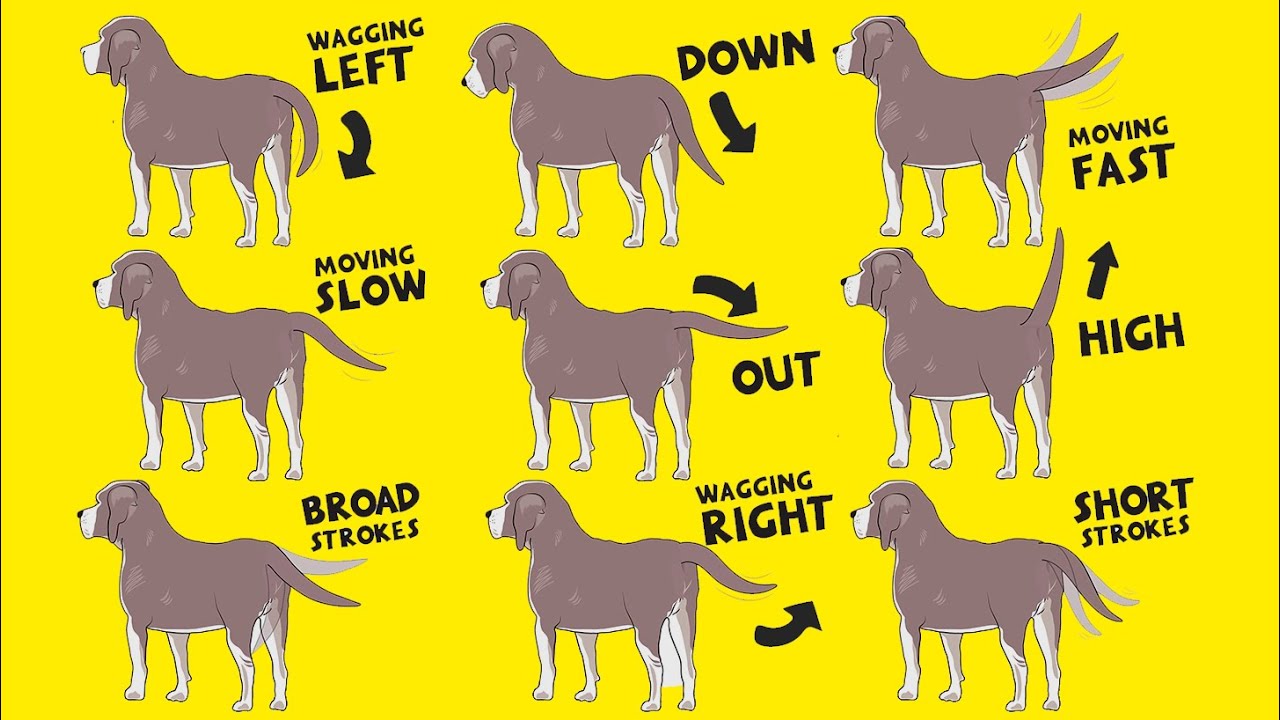
The rate at which a tail moves adds further meaning to canine communication. Wagging speed may indicate
- Excitement. The faster the wag, the more excited the dog. A tail wag may range from very slow to rapid (flagging). Sometimes, the dog’s tail wags so fast that it appears to vibrate.
- Insecurity. A dog that is tentative about meeting a new person or another dog may wag his tail ever so slightly to indicate that they are insecure.
- Friendliness. An amiable dog may wag its tail more freely and even wiggle their hips simultaneously. Some dogs even shift their hips to the right to indicate friendliness.
- Aggression. When a dog wags his tail very fast while holding it vertically, he may be an active threat. Remember that a person can get bitten by a dog wagging its tail!
Left vs. right tail wagsCanine “tail talk” is so complex that even the direction of the wagging is significant. Studies show that dogs wag their tails to the right when they are happy or confident and to the left when they are frightened. Interestingly, there is a scientific reason for this. The left side of the brain controls movement on the right side of the body and vice versa. Therefore, the left brain is engaged when the tail wags to the right, and the right brain causes the tail to move to the left. Since the left side of the brain is associated with positive feelings like love and serenity, a happy dog wags his tail to the right. Conversely, the right half of the brain is associated with negative emotions like fear and depression, so a frightened dog wags his tail to the left.” (VCA Animal Hospital)
Barking
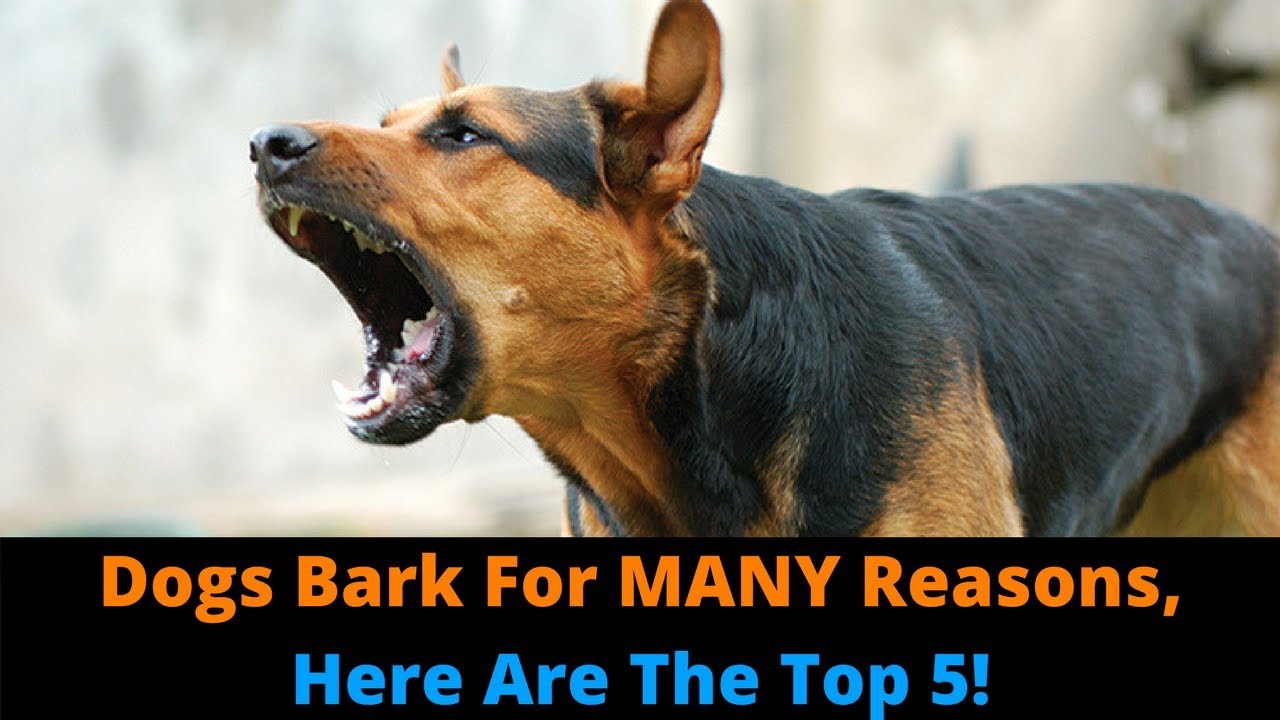
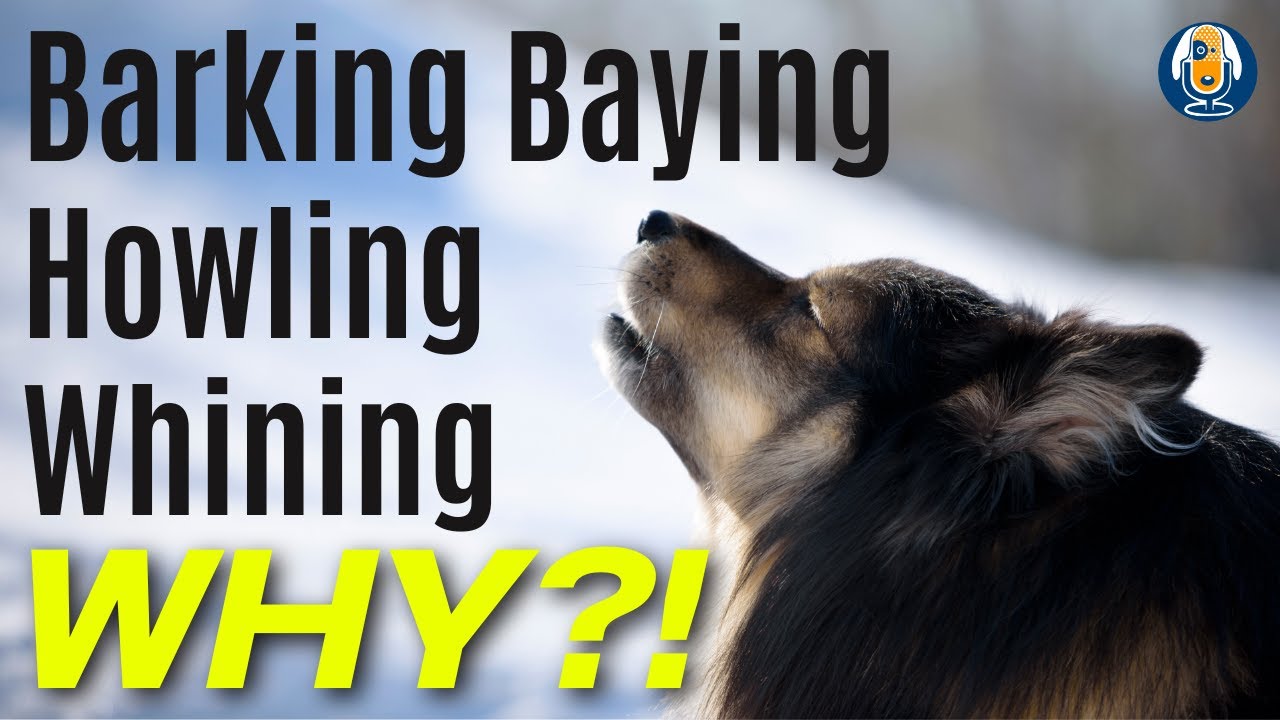
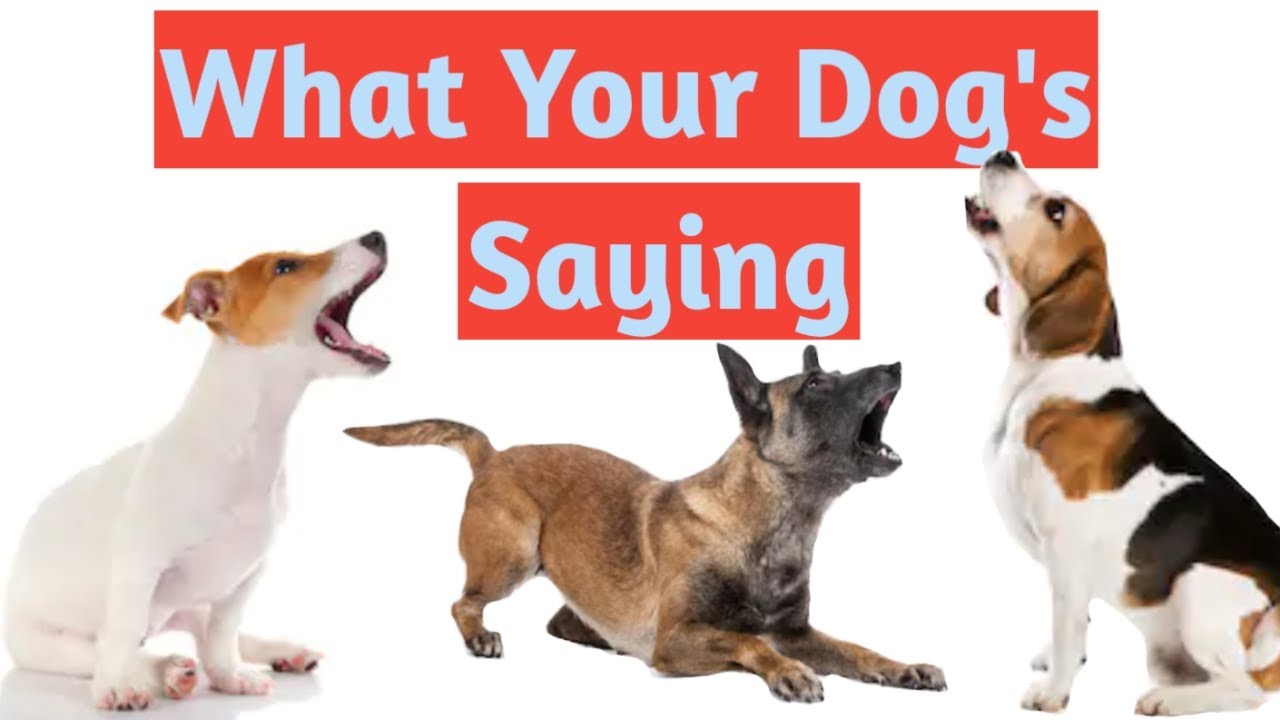
Barking is a natural part of a dog’s language and serves many purposes — alarms, greetings, attention-seeking, or expression of stress.
Rather than trying to stop barking alone, learn what triggers it and teach your dog when it’s appropriate to bark and how to be quiet on cue.
Barking Guide → Help with Barking problems
⚠️ Some quiet puppies begin barking as they enter the adolescent stages. “learn about puppy adolescence”


Videos on Barking

More resources
Books:
Barking the sound Barking - The Sound of a Language Author: Turid Rugaas
Links:
AKC: Learning to Speak Dog – The Meaning of Your Dog’s Barks. By Stephanie Gibeault, MSc, CPDT
Context Matters: Look at the Whole Dog
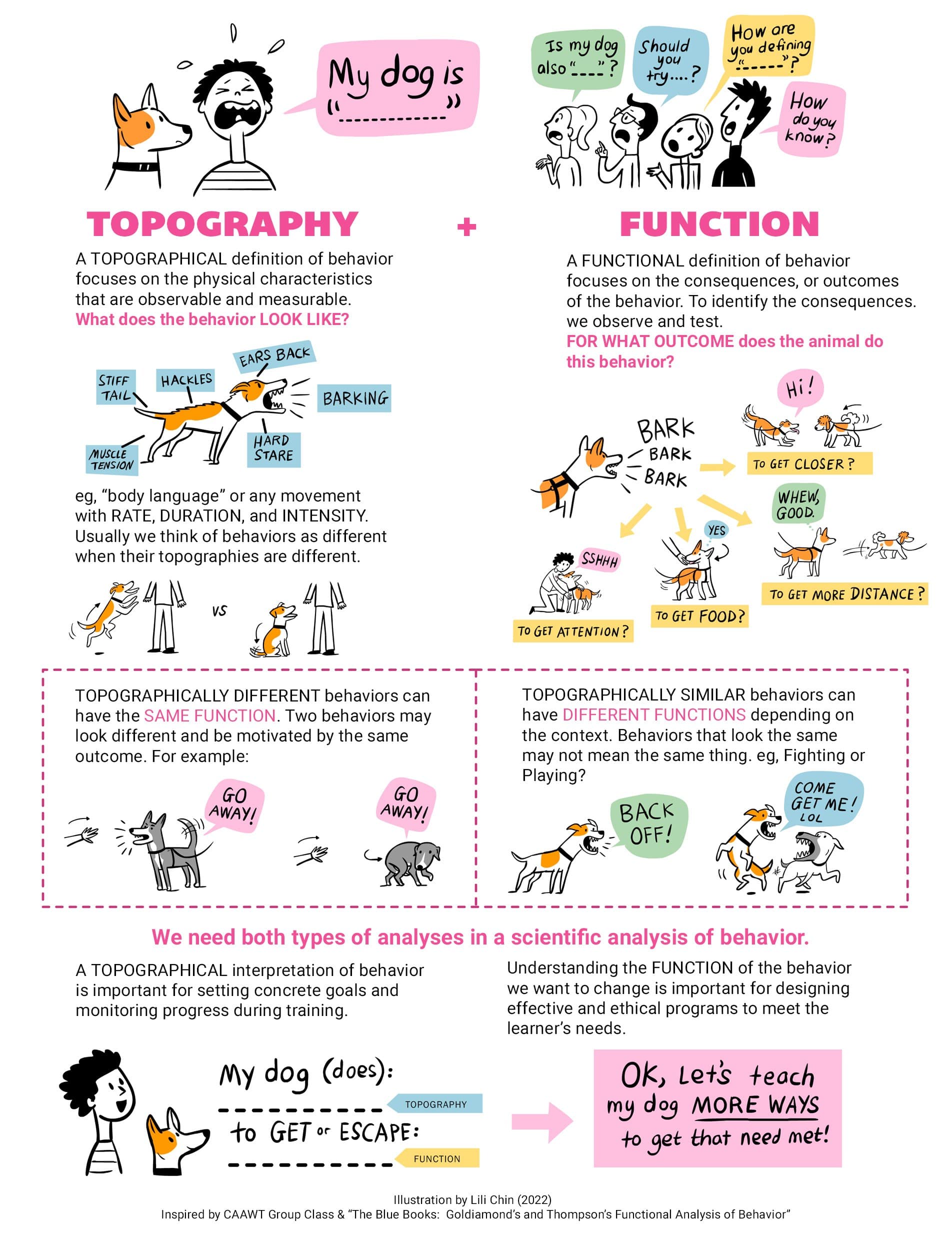
Body signals don’t exist in isolation — the same tail movement can mean different things depending on environment, situation and other body cues. Always consider the whole picture: posture, eyes, ears, tail and the situation your dog is in.
Topography & Function
This fantastic illustration by Lili Chin, available to download from www.doggiedrawings.net, explains how, rather than simply Labeling our dogs according to their behaviour, If we look at topography and behaviour function together, we may learn to understand what our dogs are trying to communicate.
Want help reading your dog in real life?
If you’re unsure what your dog’s body language means—or you’re dealing with barking, reactivity, or leash struggles—get hands-on support.👉 Book a 1:1 training session with Good Boy Olly and learn to “speak dog” with confidence.