Constructional Aggression Treatment (CAT)

What is CAT
Constructional Aggression Treatment, developed by Dr Jesus Rosales-Ruiz and Kellie Snider. It began in 2006, and it offers a unique approach distinct from traditional desensitisation and counter-conditioning techniques.
This method is grounded in operant conditioning principles to effectively address aggressive behaviour.
Constructional Aggression Treatment is based on a straightforward principle: “behaviour that is reinforced will increase.” By removing the functional reward, such as ending the interaction when your dog reacts aggressively, you effectively reinforce the aggressive responses.
Instead, CAT involves rewarding a dog’s positive behaviours, such as calming signals or turning its head, by prompting the trigger to leave when these occur.
How does CAT work
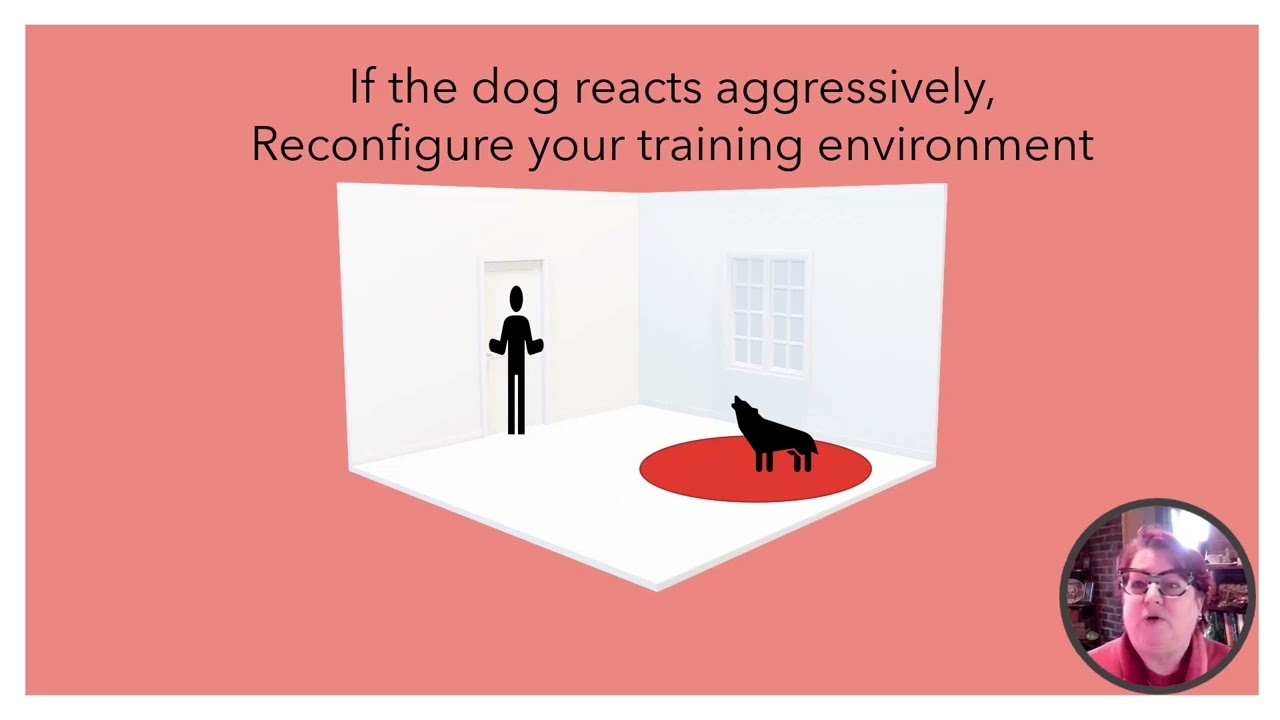
(CAT) involves exposing a dog to a low-intensity trigger, at a safe distance far enough so the dog is aware of the trigger but not so close that the dog is unable to feel secure.
The setup is the environment in which the dog displays reactions, when it is safe to do so or in a similar safe environment.
This helps address the trigger itself as well as secondary environmental triggers or setups that may be part of the classically conditioned aggressive reaction.
The handler’s job is minimal. They don't interact with their dog, mark or reinforce. All they need to do is identify when their dog performs a desirable action and communicate this to the decoy or helper.
The decoy (helper) needs to keep themselves and their dog impassive so they don't react back. When the Handler gives them a signal, they need to walk away calmly.
The helper’s job is to present the trigger (in most cases, this is the human himself or another handler accompanying a decoy dog) at the sub-threshold distance where the “aggressive” dog will start to show the first signs of stress (like changes in breathing patterns, body stiffness, nervousness, etc.).
At that point, the decoy will stop and will remain at that spot until the dog’s signs of stress are gone (normally the dog starts offering alternative behaviours, like looking around, shifting body posture, sniffing the ground, etc.). When that happens, the decoy will automatically turn around and leave. By doing this he is actually “rewarding” the aggressive dog with the removal of the trigger in correspondence to the dog’s changed behavior.
Once the “level” is cleared and the dog has immediately offered an alternative response instead of the aggression, the decoy will then shorten the distance in his next attempt, moving the sub-threshold distance closer to the dog. How quickly you can progress with Constructional Aggression Treatment depends on the dog and his level of reactions. The goal is to keep the dog’s reactions at their lowest level at all times.
Often (especially when you approach closer to an aggressive dog) it will happen that the dog will display the aggressive reaction when the decoy turns around to leave. If this happens, the decoy has to turn back and stop at the last distance level and again wait for the dog’s reaction to change before attempting to leave again. Therefore, this process of “leaving” may take a few attempts. It is crucial when this happens to wait for the dog to display signals other than stress/aggression responses in order for us to “reward” him by removing the trigger. If you leave while the dog is still reacting, then you are rewarding that behavior.
The Switchover Point
This is the point in the rehabilitation process that will occur if everything was done right. At some point during the process, the “aggressive” dog will hit the point in which his reaction to the decoy will change completely and the dog will actually start offering friendly/playful signals instead.
When this occurs, the decoy can continue advancing in small increments until they actually physically interact with the dog. This part of the exercise (when the “aggressive” dog actually meets the decoy in a friendly manner) is the goal of this whole Constructional Aggression Treatment exercise.
At that point, the decoy will stop and will remain at that spot until the dog’s signs of stress are gone (normally the dog starts offering alternative behaviours, like looking around, shifting body posture, sniffing the ground, etc.). When that happens, the decoy will automatically turn around and leave. By doing this he is actually “rewarding” the aggressive dog with the removal of the trigger in correspondence to the dog’s changed behavior.
Once the “level” is cleared and the dog has immediately offered an alternative response instead of the aggression, the decoy will then shorten the distance in his next attempt, moving the sub-threshold distance closer to the dog. How quickly you can progress with Constructional Aggression Treatment depends on the dog and his level of reactions. The goal is to keep the dog’s reactions at their lowest level at all times.
Often (especially when you approach closer to an aggressive dog) it will happen that the dog will display the aggressive reaction when the decoy turns around to leave. If this happens, the decoy has to turn back and stop at the last distance level and again wait for the dog’s reaction to change before attempting to leave again. Therefore, this process of “leaving” may take a few attempts. It is crucial when this happens to wait for the dog to display signals other than stress/aggression responses in order for us to “reward” him by removing the trigger. If you leave while the dog is still reacting, then you are rewarding that behavior.
The Switchover Point
This is the point in the rehabilitation process that will occur if everything was done right. At some point during the process, the “aggressive” dog will hit the point in which his reaction to the decoy will change completely and the dog will actually start offering friendly/playful signals instead.
When this occurs, the decoy can continue advancing in small increments until they actually physically interact with the dog. This part of the exercise (when the “aggressive” dog actually meets the decoy in a friendly manner) is the goal of this whole Constructional Aggression Treatment exercise.
- Introduce the trigger at a low intensity. For best results

.jpeg)