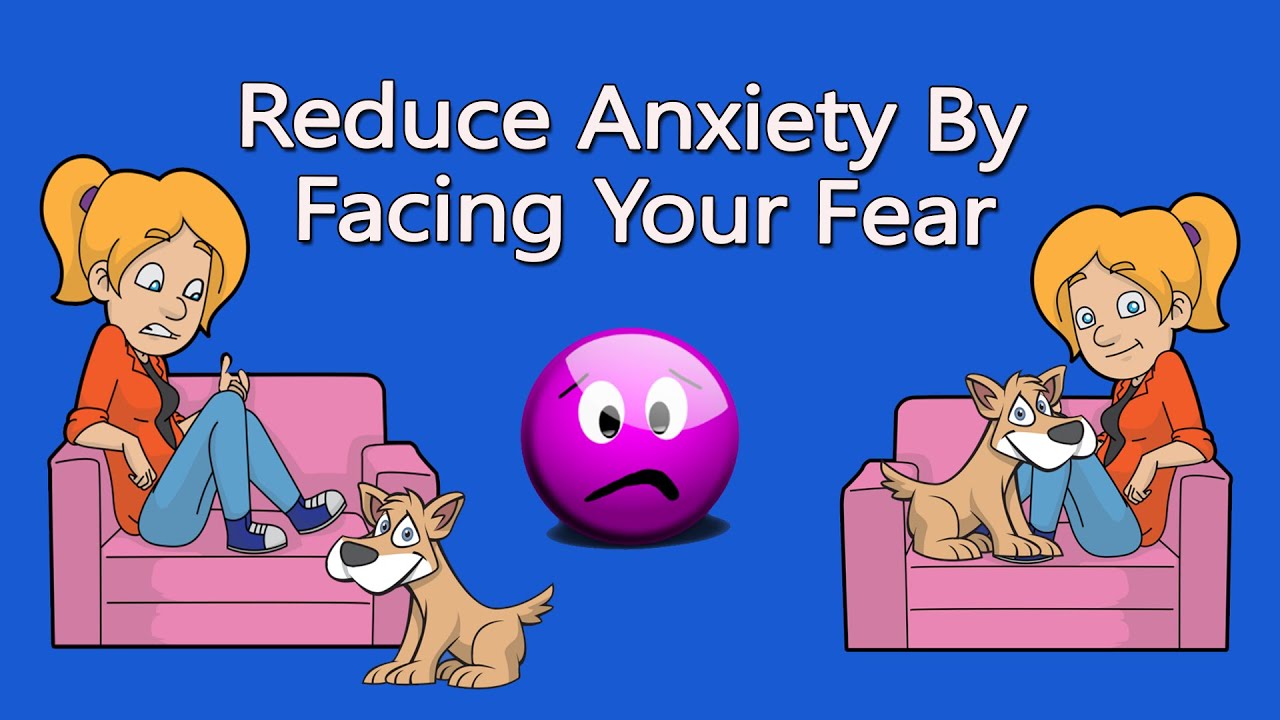
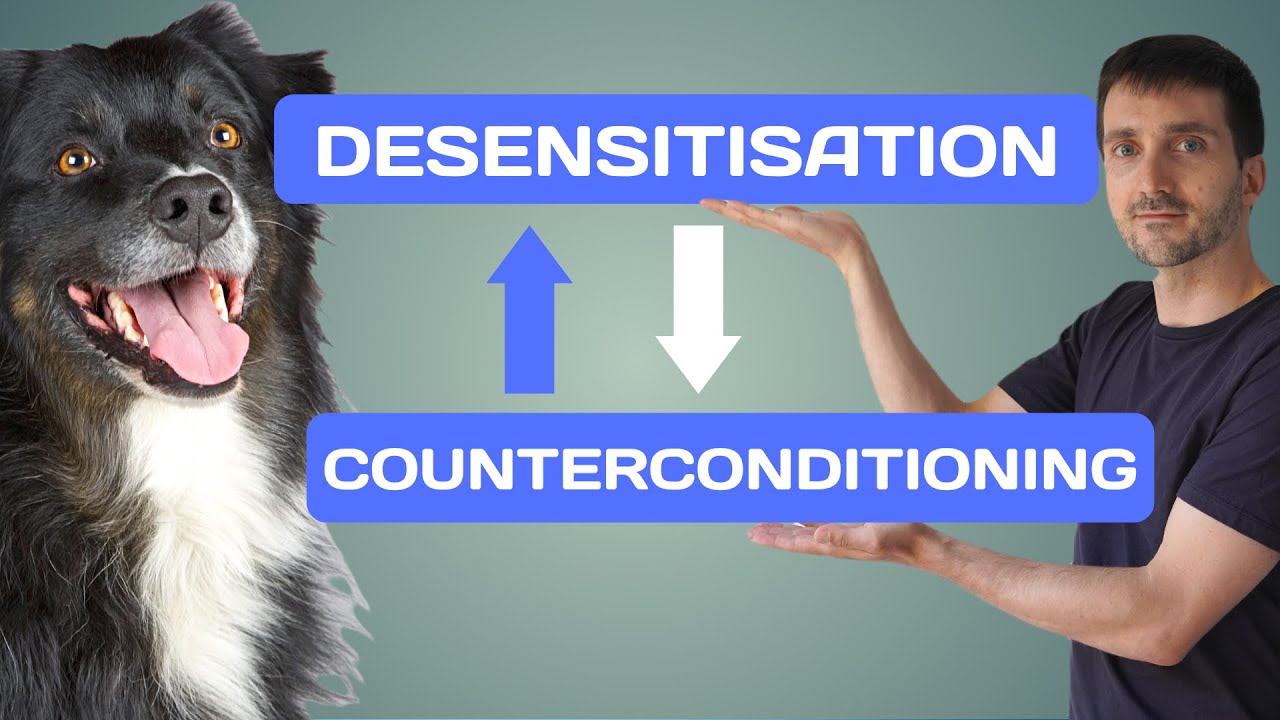
Conditioning and Counter Conditioning
Conditioning is the way our brains learn about, and perceive our environment.
Conditioning begins at birth, and in dogs, it can be influenced by various factors, including breed, brain chemistry, cognitive ability, genetic predispositions, individual sensitivities, developmental stages, and environment.
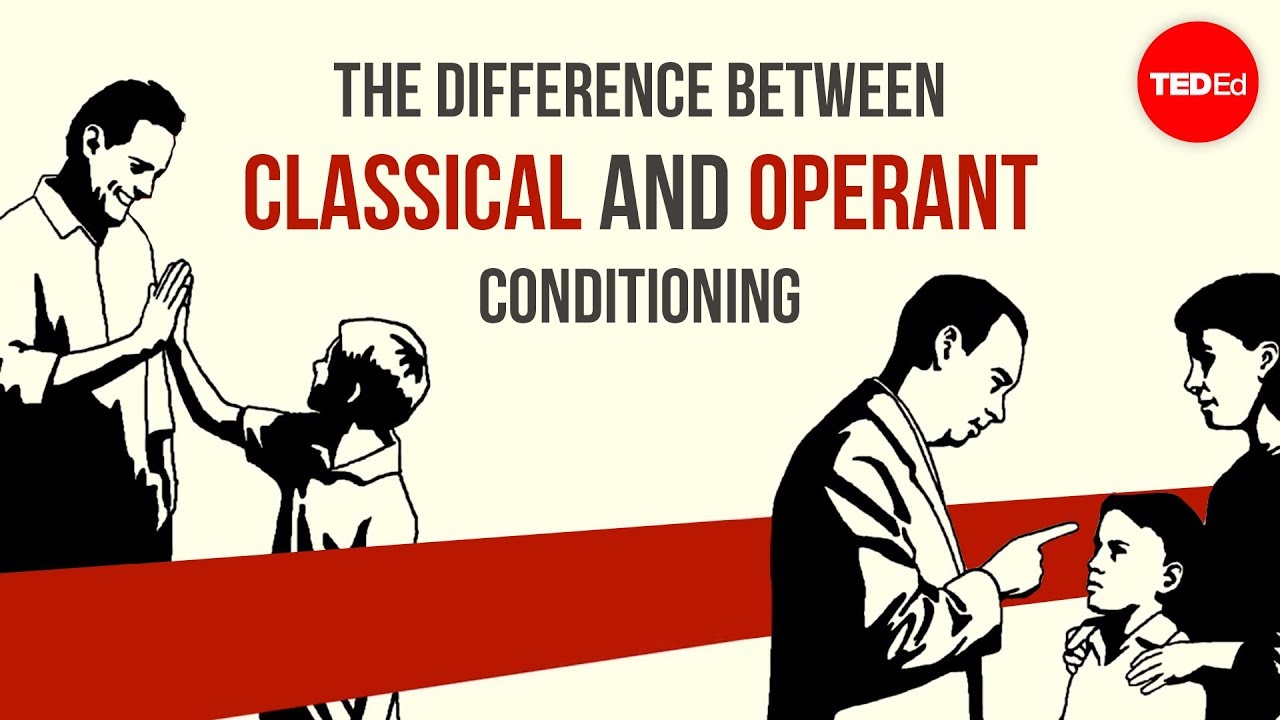
In theory, we may try to examine classical and operant conditioning individually, but in reality, they occur simultaneously and are rarely independent of each other.
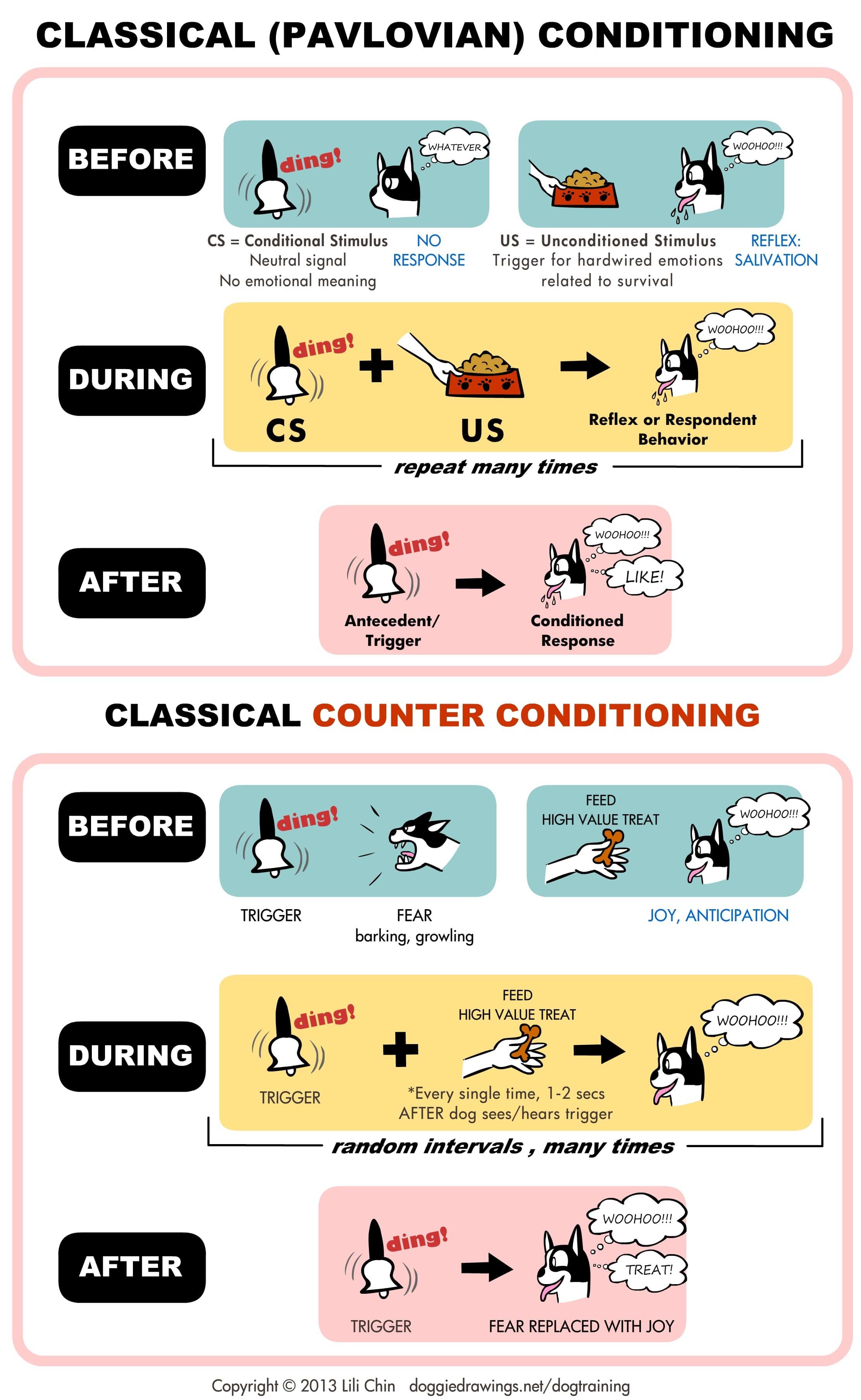
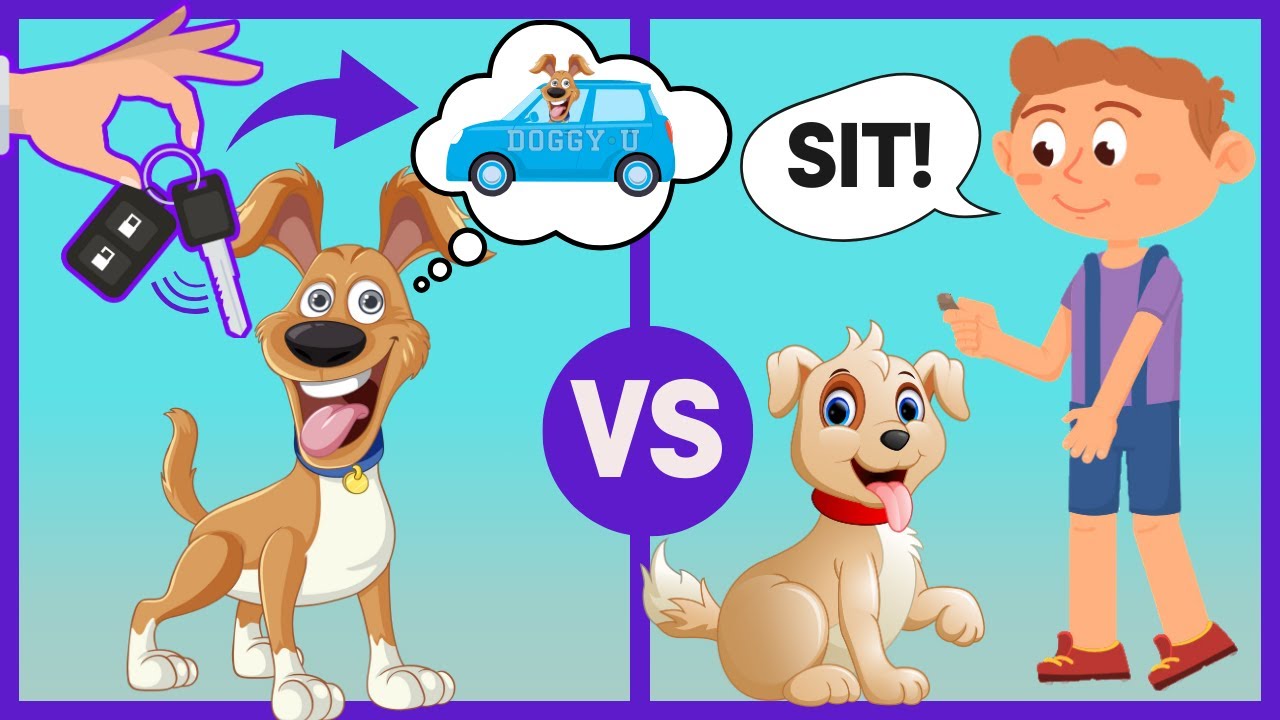
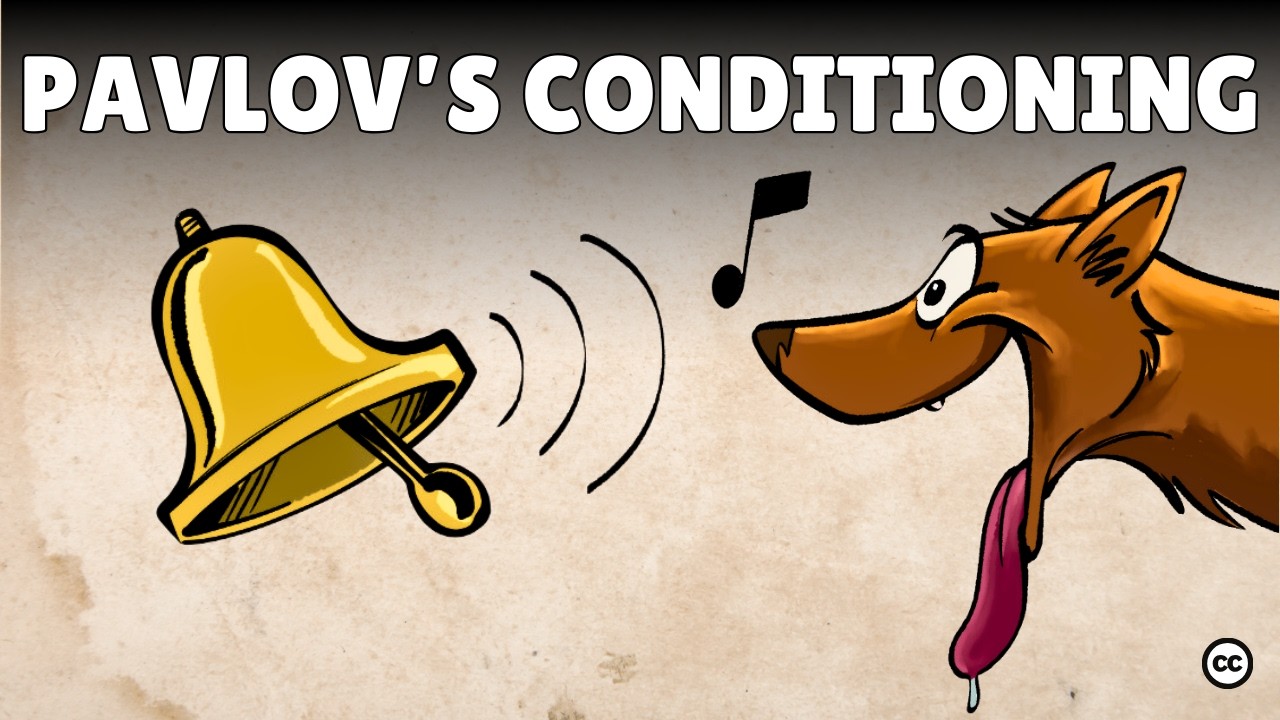
Classical Conditioning theory coined by Ivan Pavlov Focuses on automatic or unconscious learning in which the response from an uncontrolled stimulus, such as food, is paired with a neutral stimulus, such as the crinkle of a plastic packet. Over time, the neutral stimulus creates the same conditioned emotional response (CER), and whenever the dog hears a plastic packet, it thinks there is food and gets excited.
Classical conditioning and counterconditioning
Classical conditioning changes how the dog feels, not how it acts. It's extremely useful when dealing with emotional behaviour like barking.
Here are examples starring Boogie. Click on the image below to go to Boogie's blog, where you can learn more and find other fantastic drawings.
Tips for Counter Conditioning
- The marker or CS must appear slightly before the reward, not after or during its delivery to be effective.
- Make sure the reinforcement used is valuable enough to the learner and strong enough to compete with the trigger.
- Vary the pattern, location, and time of training slightly each time; otherwise, some dogs may start to associate things like the food, clicker, etc., as a warning signal that the trigger is about to appear.
- If the trigger + treat event happens at regular intervals, it may become predictable, and the dog may start to expect it or react poorly when it happens more randomly.
- Good marker mechanics are critical. Otherwise, the dog may learn to focus on things like the trainer’s hand in the treat bag rather than the trigger.
- Do not give the dog the reinforcement when there is no trigger, or use lower value rewards when no trigger is present, so that the value of the reinforcement always remains high. reinforcement
- Always remember to reinforce when the trigger appears, even if you don't have a treat on hand. Mark and use functional reinforcement.
- Always follow up with Operant Conditioning for best results.
Operant Conditioning
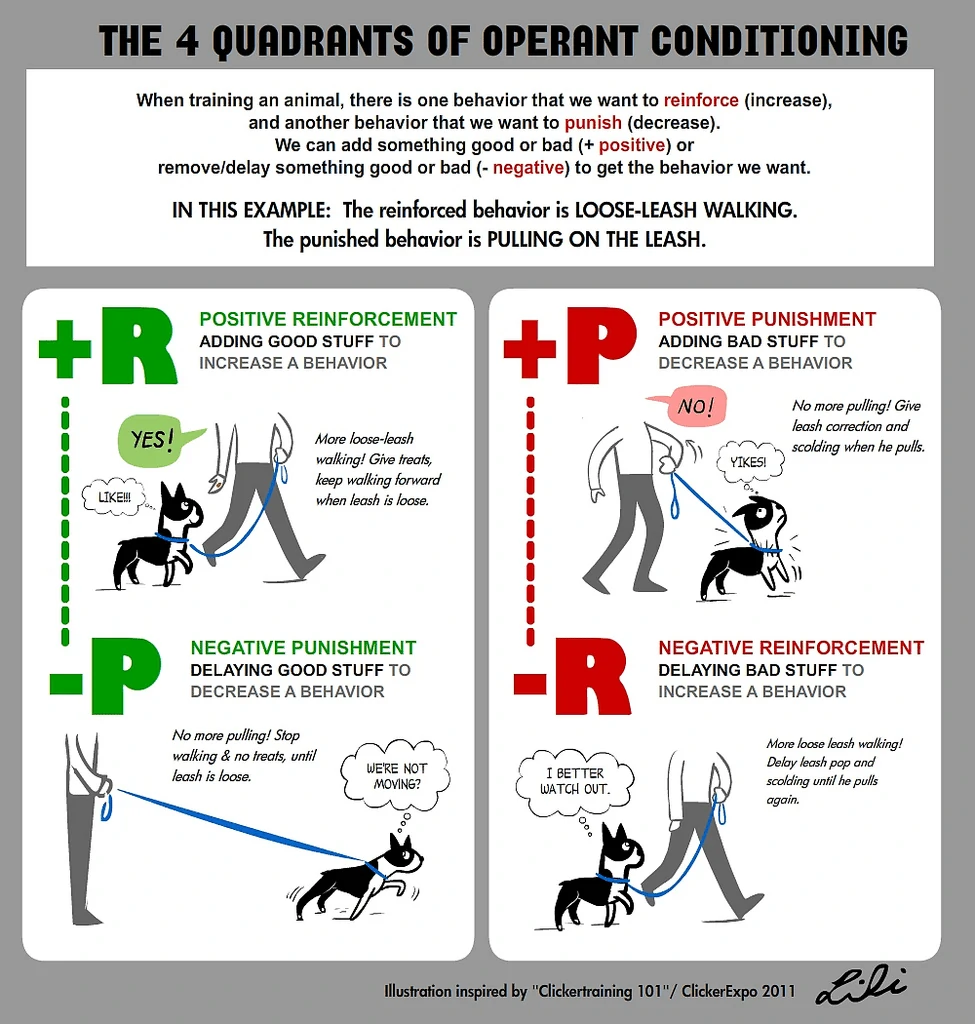
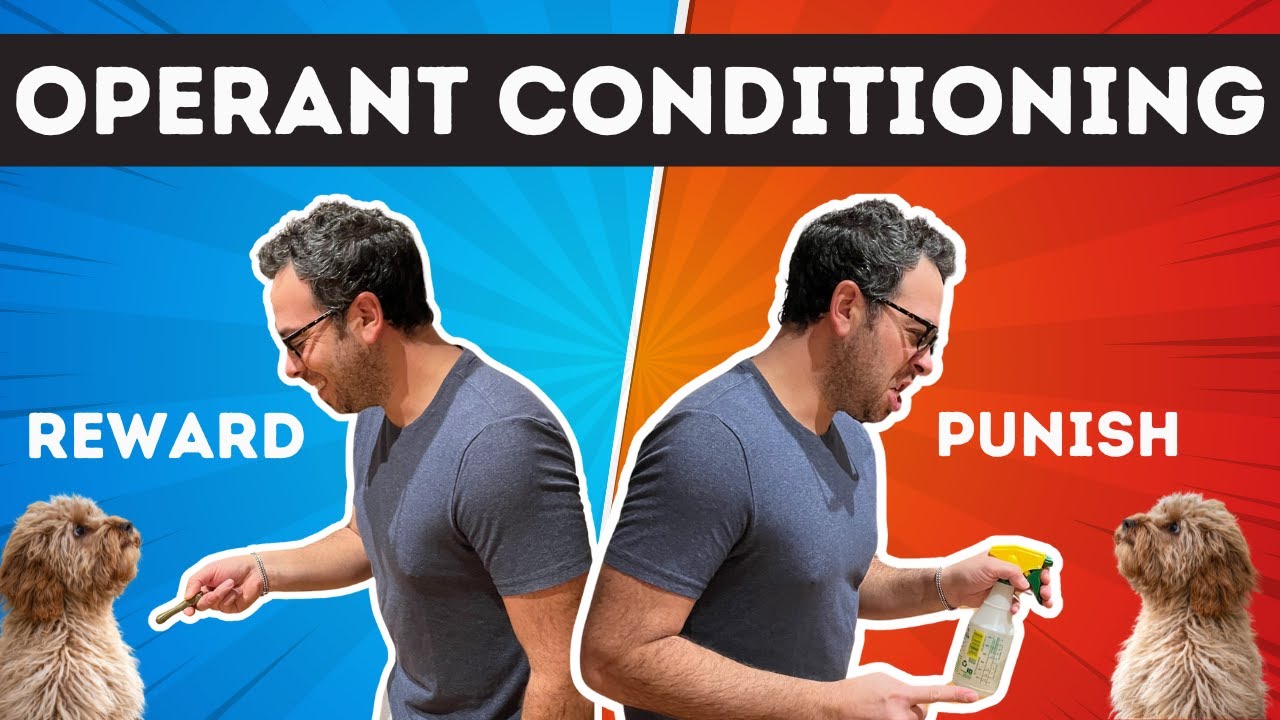
Operant conditioning, also called instrumental conditioning and learning theory, is the process of learning behaviour based on consequences. It focuses on adding (+) or removing (-) either Reinforcement (R) or Punishment (P) to change behaviour.
It is used to change many forms of behaviour.
Operant Conditioning Coined by B.F. Skinner. Uses rewards and punishments to increase or decrease behaviour. Operant conditioning is sometimes referred to as instrumental conditioning (very well mind)
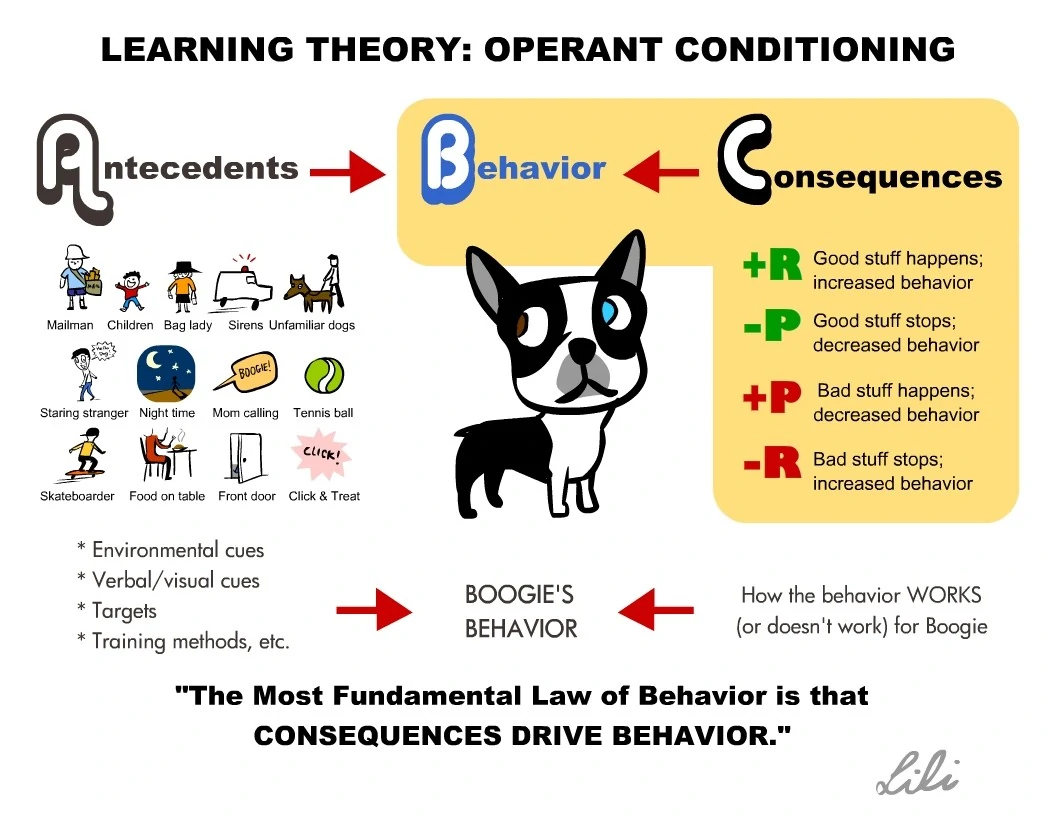
Infographics by Lili Chinn, from her blog on the notes she took from ClickerExpo. Please click on the images to see her amazing notes and insights from some of the leading industry professionals.
Reinforcement in Operant Conditioning
Reinforcement is any event that strengthens or increases the behaviour it follows. There are two kinds of reinforcers. In both of these cases of reinforcement, the behaviour increases.
(+ R) Positive reinforcers are favourable events or outcomes that are presented after the behaviour. Positive reinforcement strengthens a response or behaviour by adding praise or a direct reward.
(- R) Negative reinforcers involve the removal of unfavourable events or outcomes after the display of a behaviour. In these situations, a response is strengthened by removing something considered unpleasant.
Punishment in Operant Conditioning Punishment is the presentation of an adverse event or outcome that decreases the behaviour it follows. There are two kinds of punishment. In both of these cases, the behaviour decreases.
(+ P) Positive punishment, sometimes called punishment by application, presents an unfavourable event or outcome to weaken the response it follows.
(- P) Negative punishment, also known as punishment by removal, occurs when a favourable event or outcome is removed after a behaviour occurs.
(+ R) Positive reinforcers are favourable events or outcomes that are presented after the behaviour. Positive reinforcement strengthens a response or behaviour by adding praise or a direct reward.
(- R) Negative reinforcers involve the removal of unfavourable events or outcomes after the display of a behaviour. In these situations, a response is strengthened by removing something considered unpleasant.
Punishment in Operant Conditioning Punishment is the presentation of an adverse event or outcome that decreases the behaviour it follows. There are two kinds of punishment. In both of these cases, the behaviour decreases.
(+ P) Positive punishment, sometimes called punishment by application, presents an unfavourable event or outcome to weaken the response it follows.
(- P) Negative punishment, also known as punishment by removal, occurs when a favourable event or outcome is removed after a behaviour occurs.
Desensatisation
Desensitisation is a process in which repeated exposure to a stimulus reduces the stress, anxiety or fear it causes. It can occur naturally through repeated exposure, where the mind often gets used to the stimuli. Desensitisation is often used when the triggering stimuli cannot be avoided or eliminated.
Desensitisation and counter conditioning can often be used simultaneously.
Systematic Desensitisation. In this technique, individuals are gradually exposed to fear-inducing stimuli while using relaxation techniques. It's often used to treat phobias and anxiety disorders.
Exposure Therapy. In this technique, individuals are exposed to feared situations or objects in minute quantities, gradually increasing in a controlled manner, to help them manage their anxiety.
*Care should be taken when using these techniques to avoid Flooding.