Targeting
.jpeg)
Targeting, or target training, involves teaching an animal to touch a part of our body, an object or light with a part of their body.
Targeting is an excellent way to communicate with your dog and teach them where to place themselves.
It helps build focus, break down complex behaviours for our animals, reduce error and guesswork, and build confidence in certain dogs.
The scope of targeting in animal training is only limited by our imagination.
Some of the uses:
Great prerequisite skill for loose lead walking, recall, stop jumping, mouthing, helps dogs that are nervous about being touched by people, good to get dogs on to the weigh scale or vet tables, great to teach dogs to go through dog doors and into their crate and good to redirect dogs away or towards situations.
Hand Touch
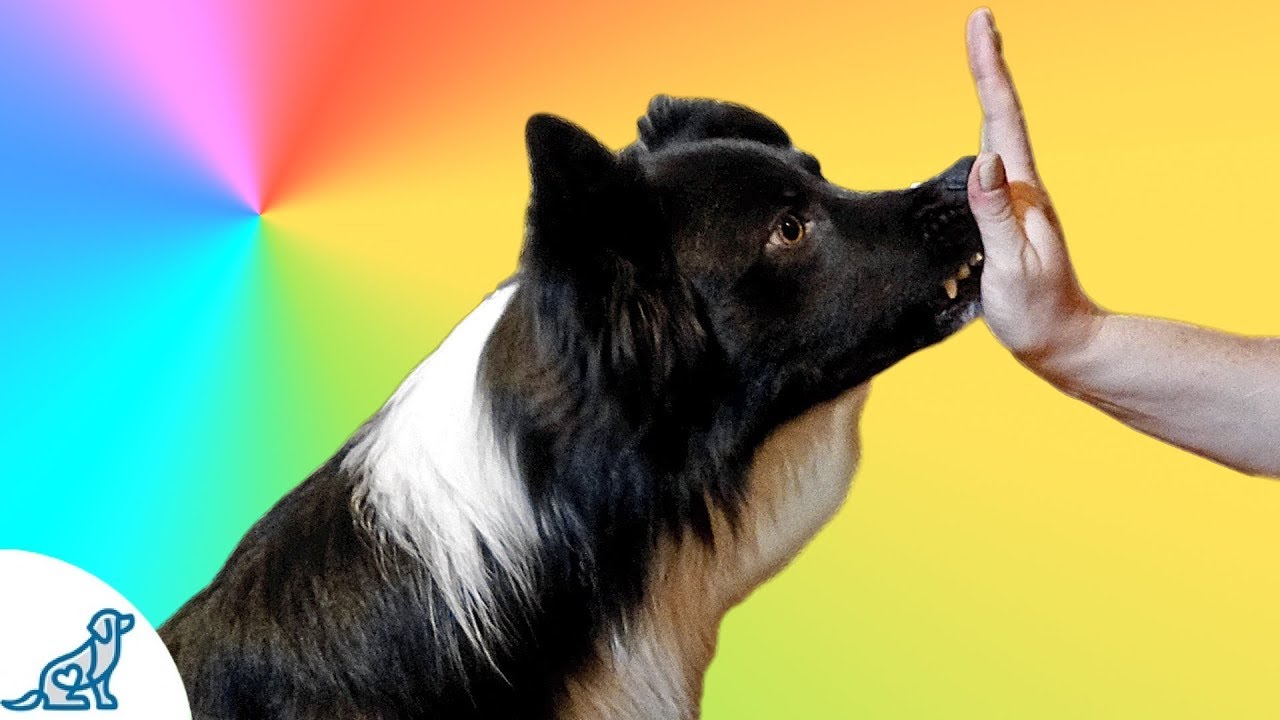
A hand touch is the easiest targeting behaviour. It involves getting your dog to touch their nose to your outstretched palm, fist or finger.
Some of the uses: Prerequisite skill for loose lead walking, recall, stop jumping, mouthing, helps dogs that are nervous about being touched by people, good to get dogs on to the weigh scale or vet tables, great to teach dogs to go through dog doors and into their crate and good to redirect dogs away or towards situations.
Some of the uses: Prerequisite skill for loose lead walking, recall, stop jumping, mouthing, helps dogs that are nervous about being touched by people, good to get dogs on to the weigh scale or vet tables, great to teach dogs to go through dog doors and into their crate and good to redirect dogs away or towards situations.
Training a hand touch:
- Choose a signal (2 fingers, whole palm, fist)
- Present the signal in front of the dog a few inches from its face.
- When the dog touches the target mark, and reward.
- Now move the target to a different location near your dog and repeat.
- When the dog understands the game, add in the verbal cue "TOUCH".
- Once your dog is good at playing this game, start moving your hand as they come towards it to get them to touch and follow a moving target.
- Also, practise building duration teaching your dog to keep their nose on the target for longer by delaying your marker a few seconds at first, then slowly increasing the time.
Tips:
- If the dog does not orient towards the target, try using a food lure by placing it between ot behind your fingers. Phase out the lure as soon as the dog understands the behaviour.
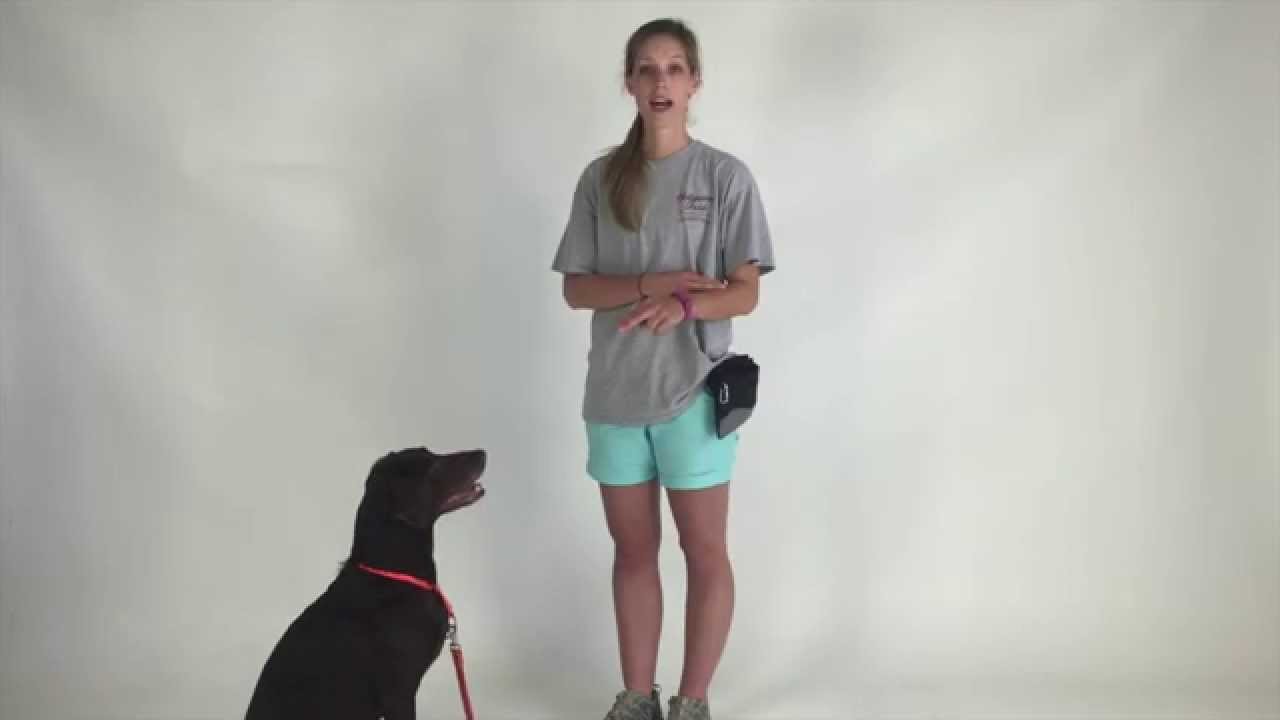
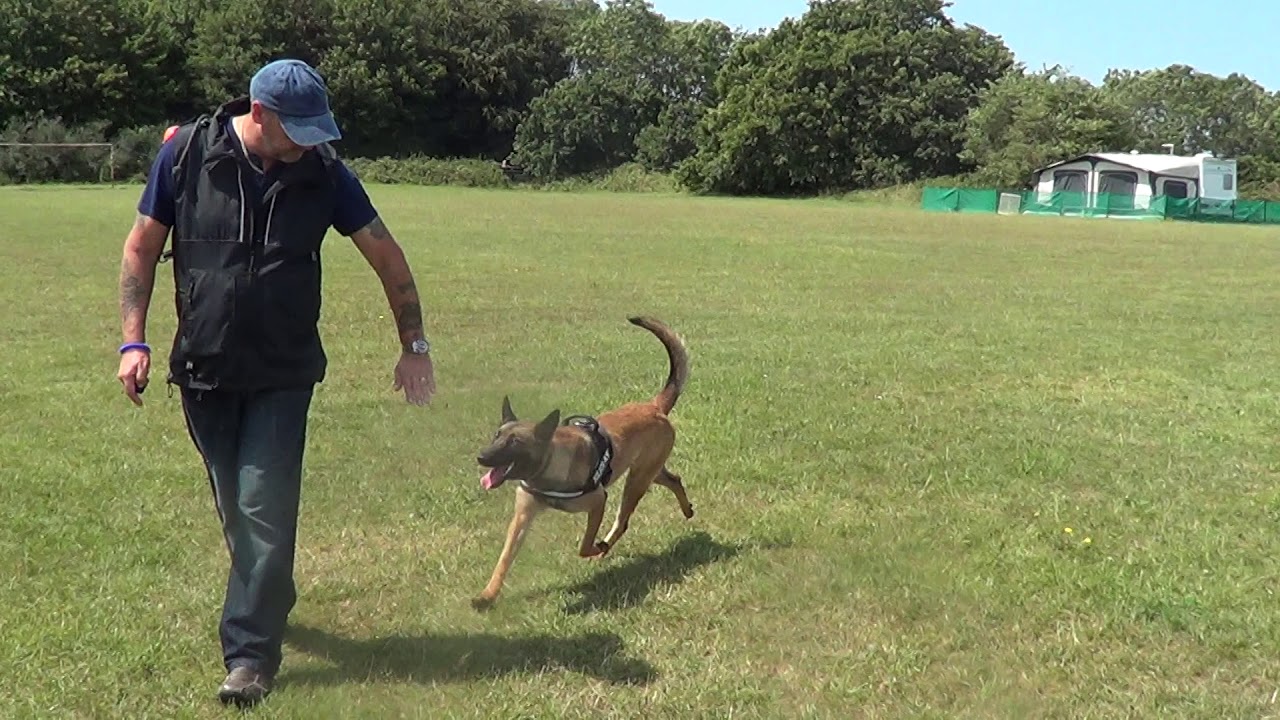
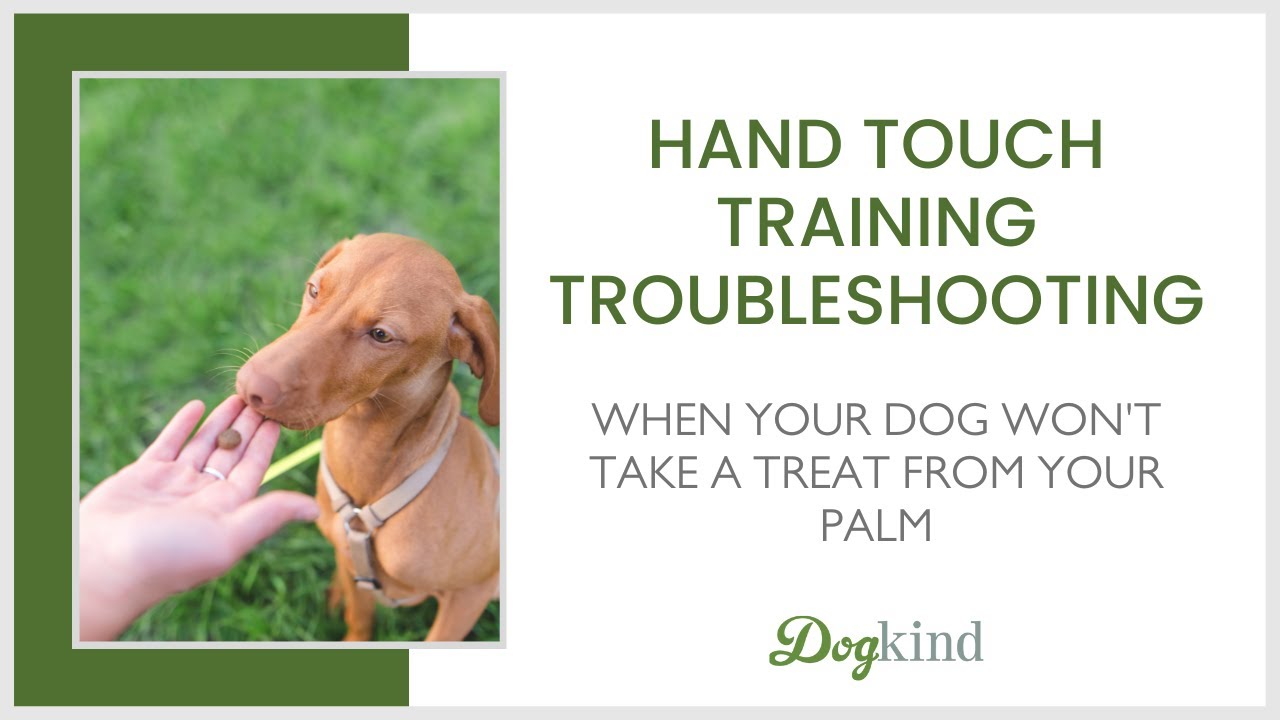
Check out the videos below to learn more about training the behaviour from trainers around the world.
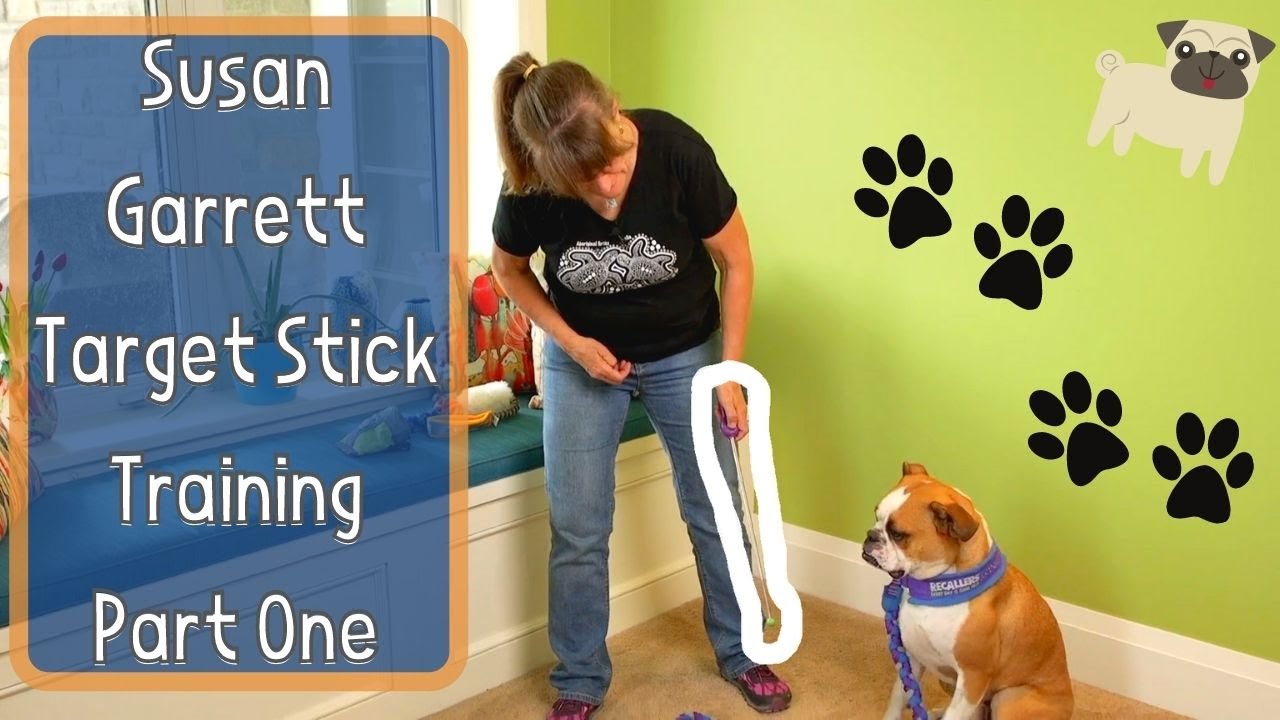
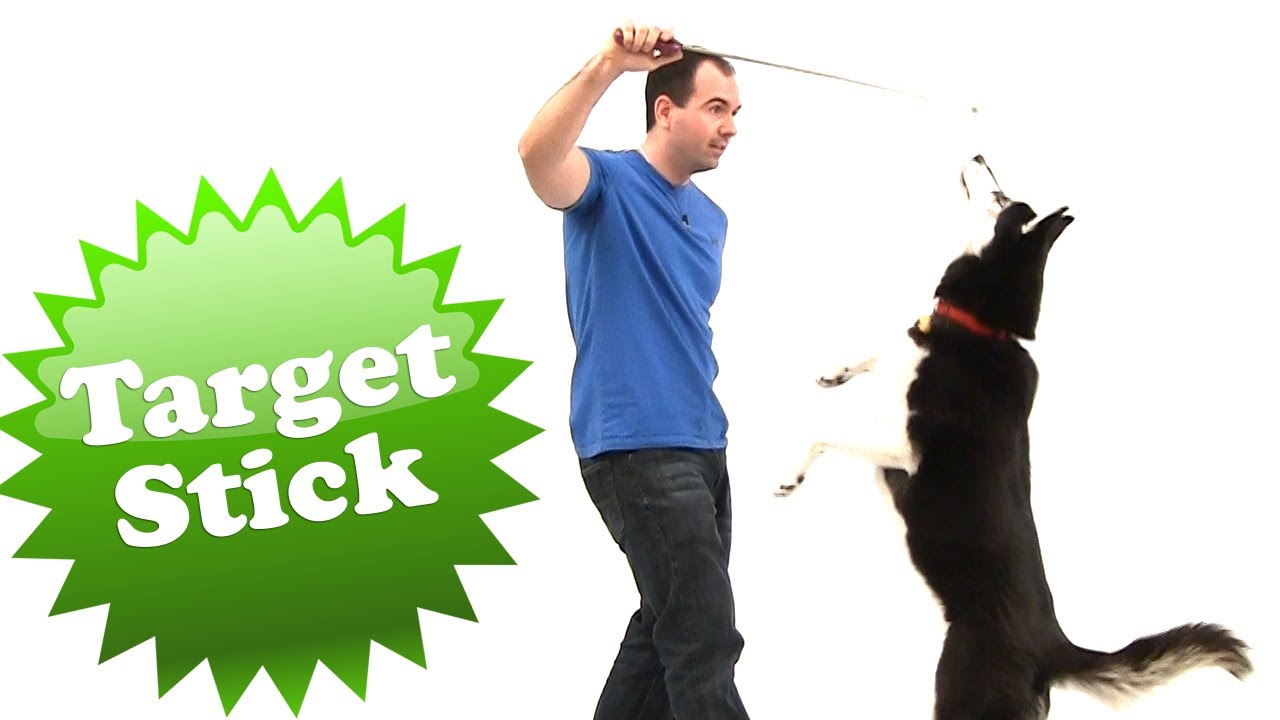
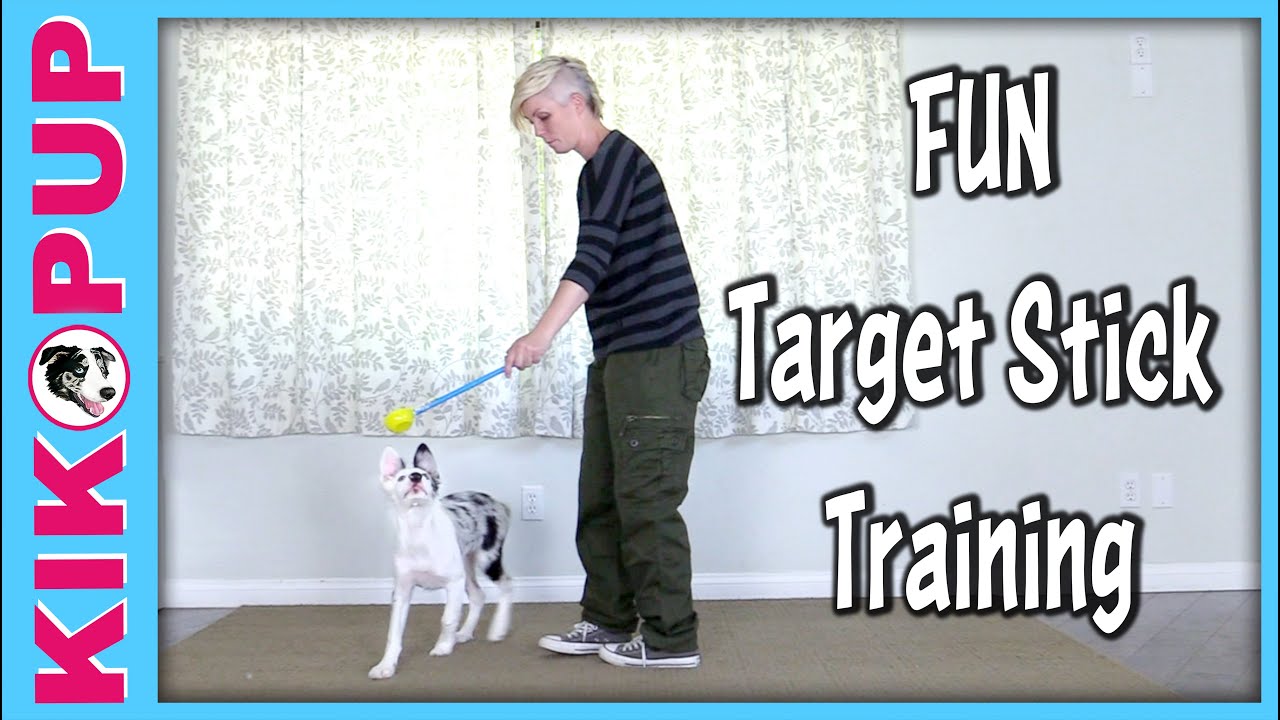
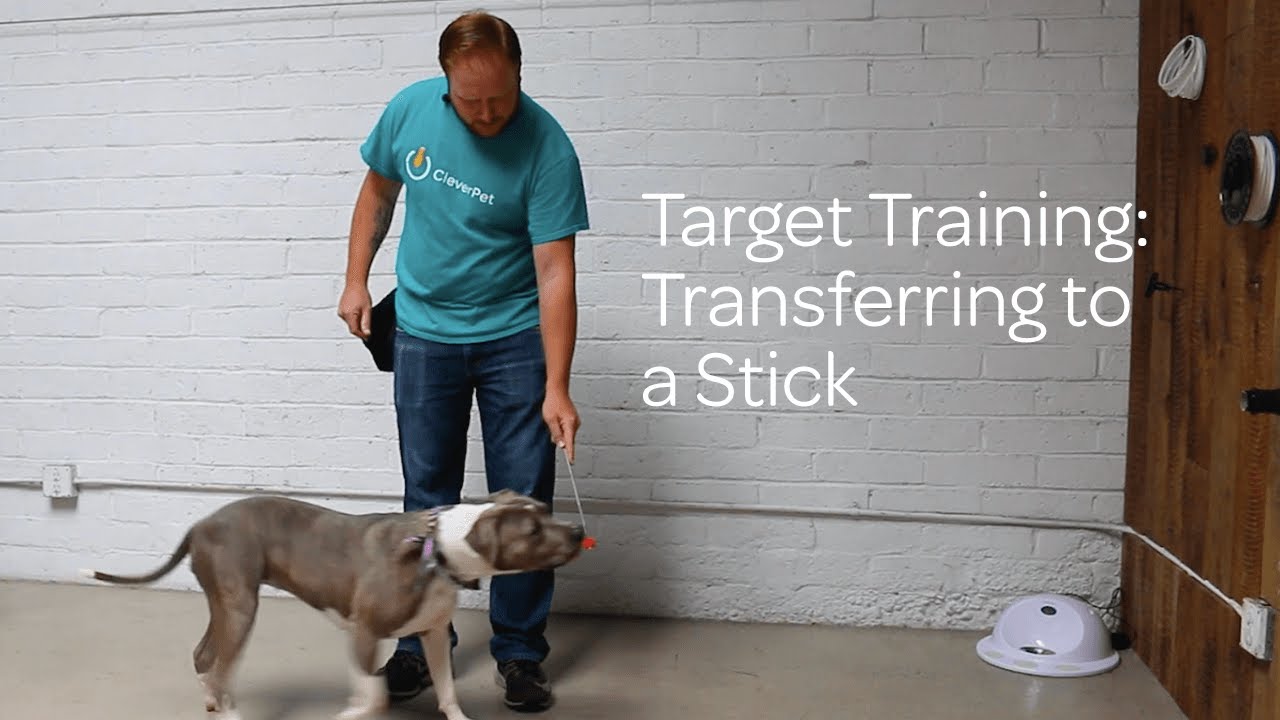
Target Stick / Object.
Using a target stick or getting your dog to target a particular object instead of your hand can allow you to get your dog to touch faraway objects and even touch objects you want them to when you’re not in the room. It’s also great for short breeds as it helps avoid the need to bend. You can make your own target stick or even buy a telescopic one with a built-in clicker for better training mechanics.
Check out the videos below to learn more about training the behaviour from trainers around the world.
Check out the videos below to learn more about training the behaviour from trainers around the world.